
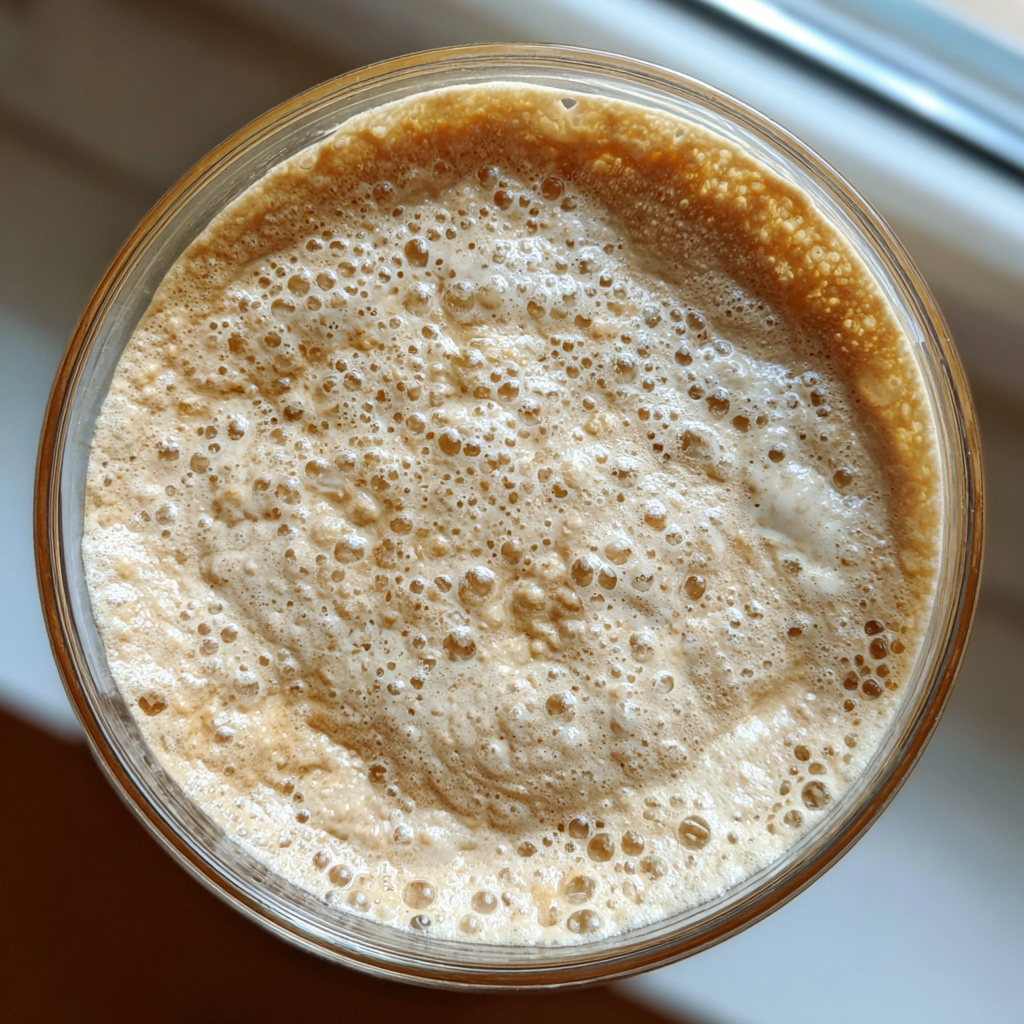
How to Feed Sourdough Starter: The Simple Method That Never Fails
How to Feed Sourdough Starter is a crucial skill for any aspiring baker. Keeping your sourdough starter healthy and active is vital to achieving that perfect loaf of bread. Whether you’re just starting your sourdough journey or looking to improve your existing starter, this guide will provide you with a foolproof method. Imagine the visual appeal of a perfectly risen loaf, its crust golden brown and inviting, surrounded by the aroma of freshly baked bread wafting through your kitchen. Are you ready to embark on this exciting culinary adventure and elevate your baking game?
The emotional gratification from nurturing your sourdough starter and watching it thrive is unparalleled. You’ll feel immense pride as you witness the bubbly texture and delightful aroma transform over time. This is not just baking; it’s a celebration of patience, science, and the joy of sharing delicious homemade bread with loved ones. Your efforts will culminate in a soft, chewy, tangy bread that brings people together. Can you picture how proud you will feel when your friends and family rave about your baking skills?
Let’s dive into the sensory experience of feeding your sourdough starter. The texture of a well-fed starter is delightfully bubbly and smooth, creating a soft, airy environment for fermentation. You’ll see vibrant colors of your starter, ranging from creamy whites to slightly golden hues, depending on the type of flour used. The taste of your final creation will be a harmonious blend of sweet and tangy notes, enhanced by the natural fermentation process. It’s an adventure for your taste buds that no store-bought bread can replicate.
Feeding your sourdough starter is ideal for maintaining its health, ensuring it’s ready for your baking endeavors. This simple method is perfect for any occasion, whether you’re planning a weekend brunch, a family gathering, or simply craving fresh bread. Sourdough bread, with its rich history and depth of flavor, is not only satisfying but also a showstopper on any dessert table. Plus, the portion control that sourdough baking offers means you can create just the right amount for your needs without excess waste.
This easy feeding method is also incredibly social media-friendly. Your stunning sourdough creations will shine on platforms like Pinterest and Instagram, garnering attention and admiration from fellow baking enthusiasts. The vibrant colors, artisan crusts, and unique textures make for perfect photographs that will inspire others to join the sourdough movement.
What makes this sourdough feeding method stand out is its efficiency. You’ll learn how to feed your starter in a way that yields consistent results every time. This beginner-friendly approach ensures that even those new to sourdough can achieve success without feeling overwhelmed. With this method, you can prepare your starter for bulk baking sessions, making it an excellent choice for those looking to sell their delightful creations or share them with friends.
In summary, this guide will cover everything you need to know about feeding your sourdough starter effectively. You’ll learn quick preparation techniques, the essential ingredients required, and step-by-step instructions to ensure you never fail in your sourdough journey. Get ready to impress yourself and your friends with homemade sourdough bread that is as delicious as it is visually stunning!
Prep time: 5 minutes
Chill time: N/A
Yield: Active starter for baking
Skill level: Beginner-friendly
Perfect for: Bread baking, gifting, culinary adventures
What is Sourdough Starter?
A sourdough starter is a living culture of flour and water that captures wild yeast and bacteria from the environment. It serves as a leavening agent for baking bread, giving it a unique flavor profile and chewy texture. Unlike commercial yeast, sourdough starter relies on natural fermentation, resulting in a tangy and complex bread that is both nutritious and delicious. This age-old technique has gained popularity in recent years, as more people seek to connect with traditional baking methods and enjoy the rewards of their efforts.
Why You Will Love Feeding Sourdough Starter
- Easy to prepare in bulk: You can maintain a larger starter for frequent baking.
- Customizable colors and themes: Use different types of flour to influence flavor and appearance.
- Perfect for party presentation: Homemade sourdough is a crowd-pleaser at any gathering.
- Kid-friendly and mess-free: Involve the little ones in the fun of baking!
- Ideal for selling or gifting: Share your starter with friends or turn it into a profitable venture.
Ingredients You Need
- Active Sourdough Starter: This is the base for your feeding process, ensuring you have a live culture.
- All-Purpose Flour: Provides essential nutrients to keep your starter healthy and productive.
- Water: Use room temperature or slightly warm water to activate the yeast.
How to Feed Sourdough Starter Step by Step
- Bake the cake: If you’re starting with a new starter, ensure it has been active and bubbly before feeding.
- Crumble and mix with frosting: If you’re using a jar, pour out half of your starter into a clean bowl.
- Shape into balls: Add equal parts of all-purpose flour and water to the remaining starter. A common ratio is 1:1:1 (starter:flour:water).
- Chill for firmness: Stir until smooth, then cover with a clean cloth or plastic wrap. Let it sit at room temperature for 4-6 hours.
- Insert sticks: Once bubbly and doubled in size, it’s ready to use for baking.
- Dip into coating: If not using immediately, place it in the refrigerator.
- Decorate creatively: When ready to bake, remove from the fridge and let it come to room temperature before using.
Pro Tip: Always use a clean jar for your starter to prevent contamination and ensure optimal growth.
Expert Tips for Best Results
- Use fine crumbs for smooth texture: This ensures a consistent feeding experience.
- Avoid too much frosting: Too much flour can lead to an unmanageable starter.
- Keep coating temperature stable: Ensure water is at room temperature to prevent shock.
- Work in batches: If you have multiple starters, feed them sequentially.
- Use deep cups for dipping: This makes it easier to coat without making a mess.
- Tap gently for smooth finish: After feeding, give your jar a gentle tap to release air bubbles.
Variations and Substitutions
- Whole Wheat Flour: Use it instead of all-purpose for a nuttier flavor.
- Rye Flour: This can enhance the fermentation process.
- Gluten-Free Flour: Experiment with gluten-free options for alternative diets.
- Fruit Purees: Incorporate purees for added flavor and moisture.
- Herbs and Spices: Add flavor variations to your starter for unique breads.
How to Serve and Store
Serving: Use your active sourdough starter to bake delicious bread, pancakes, or waffles.
Storage: Keep your starter in the refrigerator for up to 2 weeks without feeding.
Freezing: Yes, you can freeze your starter for up to 3 months, then revive it by feeding it upon thawing.
Reheating: Not required; simply feed it and let it come to room temperature.
Frequently Asked Questions
How long does sourdough starter last?
Your sourdough starter can last indefinitely if properly fed and stored.
Can I freeze sourdough starter?
Yes, freezing is a great option to keep your starter viable for later use.
Why is my sourdough starter not bubbling?
This can be due to insufficient feeding, poor water quality, or incorrect temperature.
Can I make sourdough starter from scratch?
Absolutely! It requires just flour and water, but takes time to develop.
What flour is best for sourdough starter?
All-purpose flour is great, but whole wheat or rye can enhance fermentation.
Can I sell sourdough starter?
Yes, many bakers sell their starters, especially if they have a unique blend.
In conclusion, How to Feed Sourdough Starter is an essential skill for any baking enthusiast. This simple method guarantees success and transforms your baking experience. The visual appeal of your final product and the ease of preparation will leave you wanting to create more. So, why not try this technique today? Share your results and inspire others in their sourdough journey!
Print
How to Feed Sourdough Starter: The Simple Method That Never Fails
Description
Learn the simple method to feed your sourdough starter that guarantees success every time. Follow these easy steps to keep your starter healthy and active!
Ingredients
- 1 cup Active Sourdough Starter
- 1 cup All-Purpose Flour
- 1 cup Water (room temperature or slightly warm)
Instructions
- In a clean glass or plastic container, add 1 cup of your active sourdough starter.
- Add 1 cup of all-purpose flour to the starter.
- Pour in 1 cup of water over the flour and starter mixture.
- Stir the mixture until fully combined, ensuring there are no dry flour pockets.
- Cover the container loosely with a lid or cloth to allow air circulation.
- Let the mixture sit at room temperature for 4 to 12 hours, or until it doubles in size and is bubbly.
- Once risen, your sourdough starter is ready to use for baking or can be stored in the refrigerator for later use.
Notes
- Always use a clean container to prevent contamination.
- Adjust the feeding ratio based on your starter’s activity and your baking schedule.
- If your starter has a strong alcohol smell or has been neglected for a while, consider discarding half and feeding it with fresh flour and water.
Nutrition
- Serving Size: 1 cup
- Calories: 200
- Fat: 1
- Carbohydrates: 40
- Fiber: 2
- Protein: 6
Keywords: sourdough starter, feeding sourdough starter, how to feed sourdough starter, simple sourdough method, sourdough baking