
What Is Sourdough Starter and Why Every Baker Needs to Know It: 5 Secrets to Perfect Bread
Sourdough starter is a natural leavening agent made from flour and water that captures wild yeast and bacteria from the environment. If you’re a baking enthusiast, you’ve likely heard about its magical qualities and unique flavor profile. But what exactly is sourdough starter, and why is it essential for every baker? In this article, we will explore the fundamentals of sourdough starter, its importance, and the secrets to mastering it for perfect bread.
Imagine walking into a cozy bakery, the warm aroma of freshly baked bread wafting through the air. The golden crust and soft, chewy interior of a sourdough loaf are enough to make anyone weak in the knees. Sourdough bread is not just a food; it’s an experience that embodies craftsmanship and patience. But to achieve that perfect loaf, you must understand the foundation: the sourdough starter.
Are you ready to elevate your baking game? Understanding sourdough starter is crucial for every baker looking to explore the world of artisan bread baking. It’s not just about mixing flour and water; it’s about cultivating a living culture that enhances flavor and texture. This knowledge will empower you to create bread that not only looks incredible but also tantalizes the taste buds.
The texture of sourdough bread is unlike any other. Its crust is usually thick and crunchy, while the interior reveals a soft, airy crumb. The unique process of fermentation adds depth to the flavor, creating a tangy taste that is simply irresistible. The colors of sourdough bread range from golden brown to deep caramel, representing the labor of love that went into its creation.
As you embark on your sourdough journey, you will discover the delightful sweetness of the bread, complemented by the slight tartness from the fermentation process. The combination of flavors and textures makes sourdough bread a beloved choice for many. So, let’s dive deeper into what sourdough starter is and why it is a must-have for every baker.
What Is Sourdough Starter?
Sourdough starter is essentially a mixture of flour and water that has been fermented over time. This fermentation captures wild yeast and beneficial bacteria from the environment, creating a living culture that serves as a leavening agent for bread. Unlike commercial yeast, sourdough starter allows for a longer fermentation process, which enhances the flavor, texture, and nutritional profile of the bread.
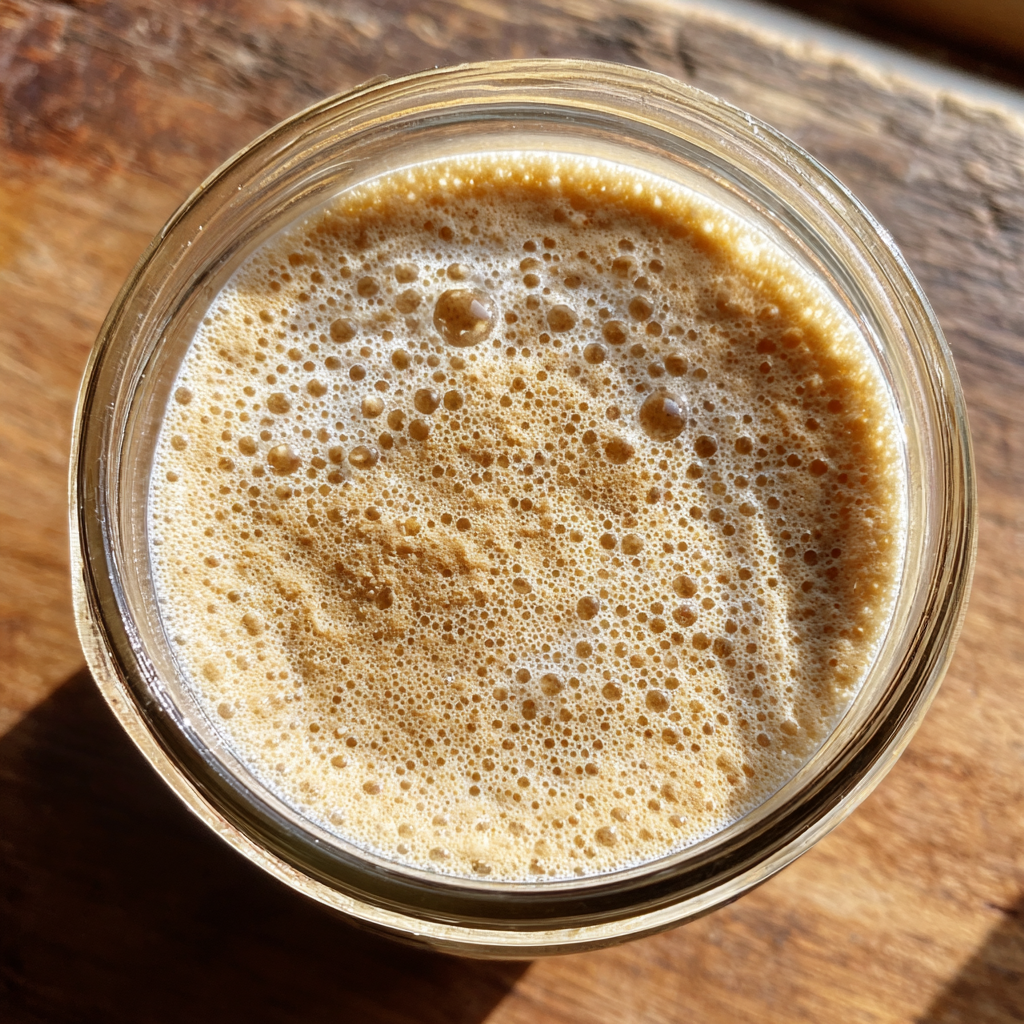
The process of making sourdough starter is simple yet requires patience. You begin by mixing equal parts of flour and water and allowing it to sit at room temperature. Over several days, you will notice bubbles forming as the yeast and bacteria become active, and the mixture will begin to rise. This is the magic of fermentation, where the wild yeast feeds on the flour, producing carbon dioxide and alcohol in the process.
Every baker should know about sourdough starter because it opens up a world of possibilities in baking. It’s not just about creating bread; it’s about understanding the science behind fermentation and how it impacts flavor and texture. By mastering sourdough starter, you can create a variety of baked goods, from crusty loaves to tender pastries, all infused with the unique characteristics of sourdough.
Why Every Baker Needs to Know It
Understanding sourdough starter is essential for several reasons:
- Natural Leavening Agent: Sourdough starter acts as a natural leavening agent, providing the necessary lift for your bread without the need for commercial yeast.
- Flavor Profile: The fermentation process enriches the flavor of the bread, resulting in a complex taste that is both tangy and sweet.
- Textural Benefits: Sourdough bread often has a chewy crust and an airy crumb, thanks to the extended fermentation periods facilitated by the starter.
- Nutritional Value: Sourdough fermentation breaks down gluten and phytic acid, making the bread easier to digest and enhancing its nutritional profile.
- Artisan Craftsmanship: Baking with sourdough starter connects you to a long tradition of artisan baking, allowing you to create unique and flavorful breads.
5 Secrets to Perfect Sourdough Starter
Now that you understand the importance of sourdough starter, let’s dive into five secrets that will help you create and maintain the perfect starter:
1. Choose the Right Flour
The type of flour you use significantly impacts your starter’s success. Opt for high-quality, unbleached all-purpose flour or whole wheat flour, as they contain more nutrients and wild yeast, enhancing the fermentation process. Whole grain flours, such as rye, are particularly beneficial for building a robust starter.
2. Maintain Consistent Hydration
Hydration plays a crucial role in the health of your sourdough starter. A common ratio is 1:1:1 (equal parts flour, water, and starter). However, you can adjust the hydration level based on the type of bread you want to bake. A thicker starter (lower hydration) is great for shaping, while a more liquid starter (higher hydration) can lead to a more open crumb in your bread.
3. Keep It Warm
Yeast thrives in warm environments, so keep your starter in a warm spot in your kitchen, ideally between 70°F and 85°F (21°C to 29°C). If your kitchen is cool, consider using an oven with the light on or a proofing box to maintain a consistent temperature.
4. Feed Regularly
Feeding your sourdough starter is essential for its health and activity. A schedule of feeding every 12 to 24 hours is recommended, especially when your starter is active. Discard half of the starter before each feeding to keep the yeast population balanced and the acidity in check.
5. Be Patient and Observant
Patience is key when working with sourdough starter. It may take several days for your starter to become fully active. Look for signs of bubbles, doubling in size, and a pleasant sour smell. Each starter is unique, so take the time to understand its characteristics and adjust your feeding schedule as needed.
How to Make Sourdough Starter
Creating your own sourdough starter is a rewarding process. Here’s a simple step-by-step guide:
- Day 1: In a clean glass jar, mix 100 grams of all-purpose flour with 100 grams of lukewarm water. Stir until combined and cover loosely with a lid or cloth.
- Day 2: You may or may not see bubbles. Discard half of the mixture and add another 100 grams of flour and 100 grams of water. Mix well and cover again.
- Day 3: By now, you should see some bubbles and the mixture may have grown in volume. Discard half and feed with 100 grams of flour and 100 grams of water.
- Day 4: Continue the feeding process. Your starter should be becoming more active, with more bubbles and a pleasant sour smell.
- Day 5: Your starter should be doubling in size within a few hours of feeding. It’s now ready to use for baking!
Pro Tip: Always keep a small amount of your starter in case you want to start again or experiment with different flours.
Storing and Maintaining Your Starter
Once you’ve created your sourdough starter, it’s essential to maintain it properly:
- Refrigeration: If you’re not baking regularly, store your starter in the refrigerator. Feed it once a week to keep it healthy.
- Room Temperature: If you’re baking frequently, keep your starter at room temperature and feed it daily.
- Reviving: If your starter has been in the fridge for a while, bring it back to room temperature and feed it for a few days before using it in recipes.
Tips for Successful Sourdough Baking
To ensure your sourdough bread turns out perfectly, consider the following tips:
- Autolyse: Allow the flour and water to rest before adding salt and starter. This helps with gluten development.
- Stretch and Fold: Instead of kneading, use the stretch and fold technique during bulk fermentation to develop gluten without overworking the dough.
- Score Before Baking: Use a sharp blade to score the top of your loaf before baking. This allows for controlled expansion and creates a beautiful crust.
- Use Steam: Create steam in your oven during the first part of baking to achieve a crispy crust.
Frequently Asked Questions
How long does it take to make a sourdough starter?
It typically takes 5 to 7 days to create a healthy sourdough starter, depending on environmental conditions.
What should I do if my starter is not bubbling?
Ensure your starter is in a warm environment and consider adjusting the feeding ratio of flour and water. It may take time to gather enough wild yeast.
Can I use whole wheat flour in my starter?
Yes, whole wheat flour is an excellent choice as it contains more nutrients and wild yeast, which can help kickstart your starter.
How can I tell if my starter is ready to use?
Your starter is ready when it doubles in size within 4 to 6 hours after feeding, has a pleasant sour smell, and is bubbly.
Can I use my sourdough starter straight from the fridge?
It’s best to bring your starter to room temperature and feed it a few times before using it for baking to ensure it’s active.
Conclusion
Understanding sourdough starter is essential for every baker who wants to delve into the world of artisan bread. The process of creating and maintaining a starter is not only rewarding but also opens the door to endless baking possibilities. With the right techniques and a bit of patience, you can achieve perfect sourdough bread that showcases the unique flavors and textures that only a natural leavening agent can provide.
So, are you ready to embrace the art of sourdough baking? Start your journey today by creating your very own sourdough starter and experience the joy of baking delicious, homemade bread. Happy baking!
Print
What Is Sourdough Starter and Why Every Baker Needs to Know It: 5 Secrets to Perfect Bread
Description
Sourdough starter is a natural leavening agent made from flour and water that captures wild yeast and bacteria from the environment. It is essential for creating the distinct flavor and texture associated with sourdough bread. Understanding how to make and maintain a sourdough starter is crucial for every baker looking to explore the world of artisan bread baking.
Ingredients
- 1 cup All-purpose flour
- 1/2 cup Water
Instructions
- In a clean jar or container, combine 1 cup of all-purpose flour with 1/2 cup of water. Stir until fully combined.
- Cover the jar loosely with a lid or cloth and let it sit at room temperature for 24 hours.
- After 24 hours, check for bubbles. If you see bubbles, that means wild yeast is starting to grow.
- Remove half of the starter (about 1/2 cup) and discard it. Add another cup of flour and 1/2 cup of water. Stir to combine.
- Repeat this feeding process every 24 hours for about 5-7 days until the starter is bubbly and has doubled in size within 4-6 hours of feeding.
- Once your starter is active and bubbly, you can use it for baking sourdough bread.
Notes
- Keep your starter in a warm place, ideally between 70°F and 75°F.
- If you need to take a break from baking, you can store your starter in the refrigerator and feed it once a week.
- Always use filtered or bottled water to avoid chlorine, which can inhibit yeast growth.
- If your starter develops a layer of liquid on top (hooch), it’s a sign that it’s hungry. Just stir it back in or pour it off before feeding.
Nutrition
- Serving Size: 1 tablespoon
- Calories: 25
- Sodium: 0
- Fat: 0
- Carbohydrates: 5
- Fiber: 0
- Protein: 1
Keywords: sourdough starter, how to make sourdough starter, baking with sourdough, artisan bread, wild yeast