How to Make Sourdough Starter: A Beginner’s Step-by-Step Guide
Are you ready to embark on your sourdough baking journey? Learning how to make sourdough starter can be one of the most rewarding experiences for any aspiring baker. This homemade starter is not only a key ingredient for delicious sourdough bread but also a testament to your baking skills. Imagine the pride you’ll feel as you watch your starter become a bubbly, active mixture that transforms simple ingredients into a loaf of bread that’s crusty on the outside and soft on the inside. Whether you’re hosting a brunch or simply want to enjoy homemade bread, a sourdough starter is your golden ticket to success.
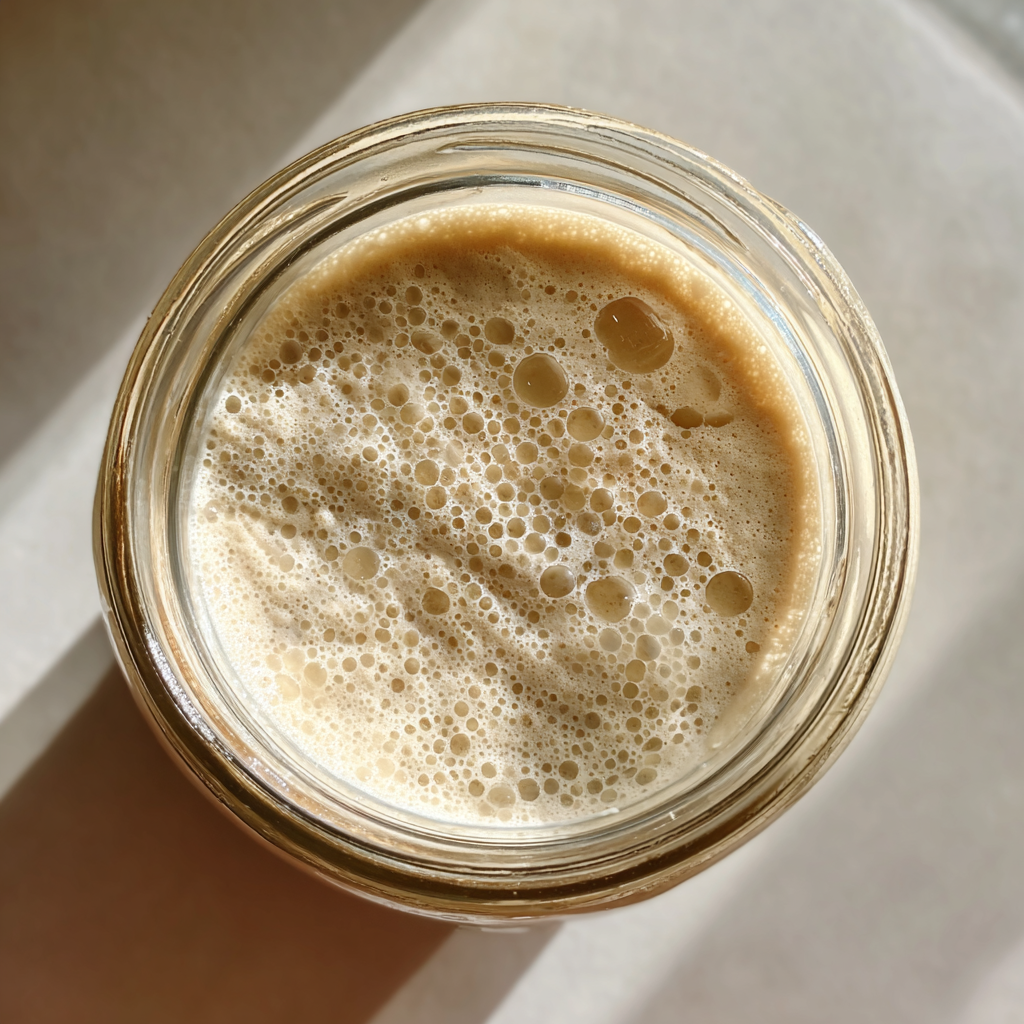
The visual appeal of a well-fed sourdough starter is captivating. You’ll love seeing the bubbles form as your mixture ferments, signaling that it’s alive and thriving. Plus, the party value of freshly baked sourdough bread is unmatched—there’s nothing quite like the aroma that fills your kitchen as it bakes. Have you ever experienced the joy of sharing freshly baked bread with friends and family? It’s a celebration in itself!
As you create your sourdough starter, you’ll feel a sense of achievement and connection to the art of baking. There’s something incredibly satisfying about nurturing your starter, waiting for those bubbles to appear, and knowing that you are participating in a centuries-old tradition. The texture of your sourdough bread, created from your very own starter, will be a delightful mix of chewy and crusty. The golden-brown crust and soft, airy interior will be complemented by its slightly tangy flavor, making every bite a treat.
In this guide, I’ll walk you through the process of creating your own sourdough starter in three foolproof steps. Whether you’re looking to enhance your baking skills or simply want to enjoy the incredible taste of homemade sourdough, this starter will serve as the foundation for all your future baking projects.
Let’s dive into the reasons why making a sourdough starter is not just a fun project, but an essential skill for anyone looking to bake amazing bread. First and foremost, sourdough starters are ideal for home bakers because they use natural fermentation. This means you won’t need to rely on commercial yeast, allowing you to create bread that has a unique flavor profile and texture. The fermentation process also enhances the nutritional value of your bread, making it easier to digest.
Furthermore, sourdough starters are incredibly versatile. You can use them to make bread, pancakes, waffles, and even pizza dough. The possibilities are endless! Plus, they are easy to maintain and can last for years if properly cared for. Just imagine having your very own starter that you can feed and nurture, creating delicious baked goods for your family and friends.
Another fantastic benefit of sourdough starters is their portability. You can take a portion of your starter with you when traveling or share it with friends who want to join in on the sourdough craze. It’s a wonderful way to connect with others and spread the joy of baking.
Now, you might be wondering how to get started. The good news is that making a sourdough starter is a simple and beginner-friendly process. You’ll only need a few key ingredients: all-purpose flour and water at room temperature. These are the building blocks of your starter, and with just a little time and patience, you’ll have a thriving mixture that’s ready to be used in your favorite recipes.
This recipe stands out because it guides you through making a 30-day sourdough starter with minimal fuss. You don’t need any special equipment or ingredients, making it accessible to everyone. Plus, the methods I’ll share are perfect for beginners, ensuring you can achieve success right from the start. You’ll also discover custom feeding and maintenance ideas to keep your starter healthy and active.
So, let’s quickly summarize what you can expect from this recipe:
- Prep time: 10 minutes
- Chill time: None required
- Yield: One active sourdough starter
- Skill level: Beginner-friendly
- Perfect for: Baking bread, pancakes, and more
What is a Sourdough Starter?
A sourdough starter is a mixture of flour and water that captures wild yeast and bacteria from the environment. This natural fermentation process creates a living culture that can leaven bread, giving it a unique flavor and texture. Sourdough starters are trending because they promote a healthier approach to baking and provide a delicious alternative to store-bought bread.
Why You Will Love Making Your Own Starter
- Easy to prepare in bulk: You can create a large quantity of starter to share with friends or to use in multiple recipes.
- Customizable colors and themes: You can experiment with different flours, such as whole wheat or rye, for diverse flavors.
- Perfect for party presentation: Homemade sourdough bread is a showstopper at gatherings and celebrations.
- Kid-friendly and mess-free: Making a sourdough starter can be a fun activity to do with children.
- Ideal for selling or gifting: Share your passion for baking by selling your starter or giving it as a thoughtful gift.
Ingredients You Need
- All-purpose flour: This forms the base of your starter, providing the necessary starches for fermentation.
- Water: Room temperature water is crucial for activating the yeast and creating the right consistency.
How to Make Sourdough Starter Step by Step
- Day 1: In a clean glass or plastic container, combine 1 cup of all-purpose flour with 1/2 cup of room temperature water. Stir until there are no dry flour bits left. You want a thick but smooth consistency. Cover the container loosely with a lid or cloth to allow airflow and let it sit at room temperature for 24 hours.
- Day 2: Check your mixture for bubbles. If you see some, that’s a good sign! Discard half of the starter (about 3/4 cup) and add another 1 cup of all-purpose flour and 1/2 cup of room temperature water. Mix well, cover loosely, and let it rest for another 24 hours.
- Days 3-7: Continue the feeding process daily. You will notice the starter becoming more active and bubbly. By day 7, your starter should have doubled in size and have a pleasant sour smell. If it’s not quite ready, keep feeding it until it becomes active.
Pro Tip: Make sure to use a clean container for your starter to avoid contamination and ensure a healthy fermentation process.
Expert Tips for Best Results
- Use fine crumbs: For the best texture, make sure your flour is finely milled.
- Avoid too much water: The consistency should be thick, not runny.
- Keep coating temperature stable: Avoid temperature fluctuations that can affect fermentation.
- Work in batches: If you plan to use your starter frequently, consider maintaining multiple jars.
- Use deep cups: When mixing, choose deep containers to prevent spills.
- Tap gently: After dipping, tap your starter container gently to release excess bubbles.
Variations and Substitutions
- Whole wheat flour: Replace all-purpose flour with whole wheat for a nuttier flavor.
- Rye flour: Adding rye flour can enhance the fermentation process due to its higher nutrient content.
- Gluten-free option: Mix gluten-free flour with water to create a gluten-free starter, though results may vary.
- Flavored starters: Enhance your starter with spices or herbs to add unique flavors to your bread.
How to Serve and Store
Serving: Use your sourdough starter to make fresh bread, pancakes, waffles, and more. It’s perfect for sharing with friends and family.
Storage: You can store your starter in the refrigerator for up to one week without feeding. Just remember to bring it back to room temperature and feed it before use.
Freezing: Yes, you can freeze portions of your starter for up to three months. Just thaw and feed before using.
Reheating: Not required; simply feed it as needed.
Frequently Asked Questions
How long does it take to make a sourdough starter?
It typically takes about 5 to 7 days to create a fully active sourdough starter.
Can you use whole wheat flour for a starter?
Yes, whole wheat flour can be used and will often result in a more active starter due to its higher nutrient content.
Why is my sourdough starter not bubbling?
Insufficient feeding, low temperatures, or using old flour can hinder your starter’s activity. Ensure it’s in a warm location and being fed regularly.
Can I make a sourdough starter without a kitchen scale?
Yes, you can use measuring cups, but using a scale can provide more accurate measurements for better results.
Can I use my starter immediately after making it?
It’s recommended to wait until the starter is fully active, usually around day 7, before using it in recipes.
What can I do if my starter smells bad?
If your starter develops an off-putting smell, it may be a sign of contamination. Discard it and start fresh.
In conclusion, learning how to make sourdough starter is a rewarding culinary adventure. The process is straightforward, and the results are delicious. Watch as your starter comes to life, and enjoy the journey of creating delightful baked goods. Try making your own starter today and share your results with your friends and family!
Print
How to Make Sourdough Starter: 3 Foolproof Steps for Beginners
- Total Time: 7
- Yield: 1 active sourdough starter 1x
Ingredients
- 1 cup All-purpose flour
- 1/2 cup Water (room temperature)
- 1 cup All-purpose flour
- 1/2 cup Water (room temperature)
- 1 cup All-purpose flour
- 1/2 cup Water (room temperature)
Instructions
- In a clean glass or plastic container, combine 1 cup of all-purpose flour with 1/2 cup of room temperature water. Stir until no dry flour remains.
- Cover the container loosely with a lid or a cloth and let it sit at room temperature (about 70°F to 75°F) for 24 hours.
- After 24 hours, check for bubbles. If you see some, that means fermentation has started. Discard half of the mixture (about 3/4 cup) and add 1 cup of flour and 1/2 cup of water. Stir to combine.
- Repeat the feeding process every 24 hours, discarding half of the starter and adding fresh flour and water.
- After about 5-7 days, your starter should be bubbly and have a pleasant sour smell. It is now ready to use for baking!
Notes
- Use unbleached all-purpose flour for best results.
- If your kitchen is cooler, fermentation may take longer.
- You can switch to whole wheat flour after the first few days for added flavor.
- Prep Time: 10
- Category: Baking
- Method: Fermentation
- Cuisine: Baking
Keywords: sourdough starter, how to make sourdough starter, beginner sourdough, homemade sourdough starter