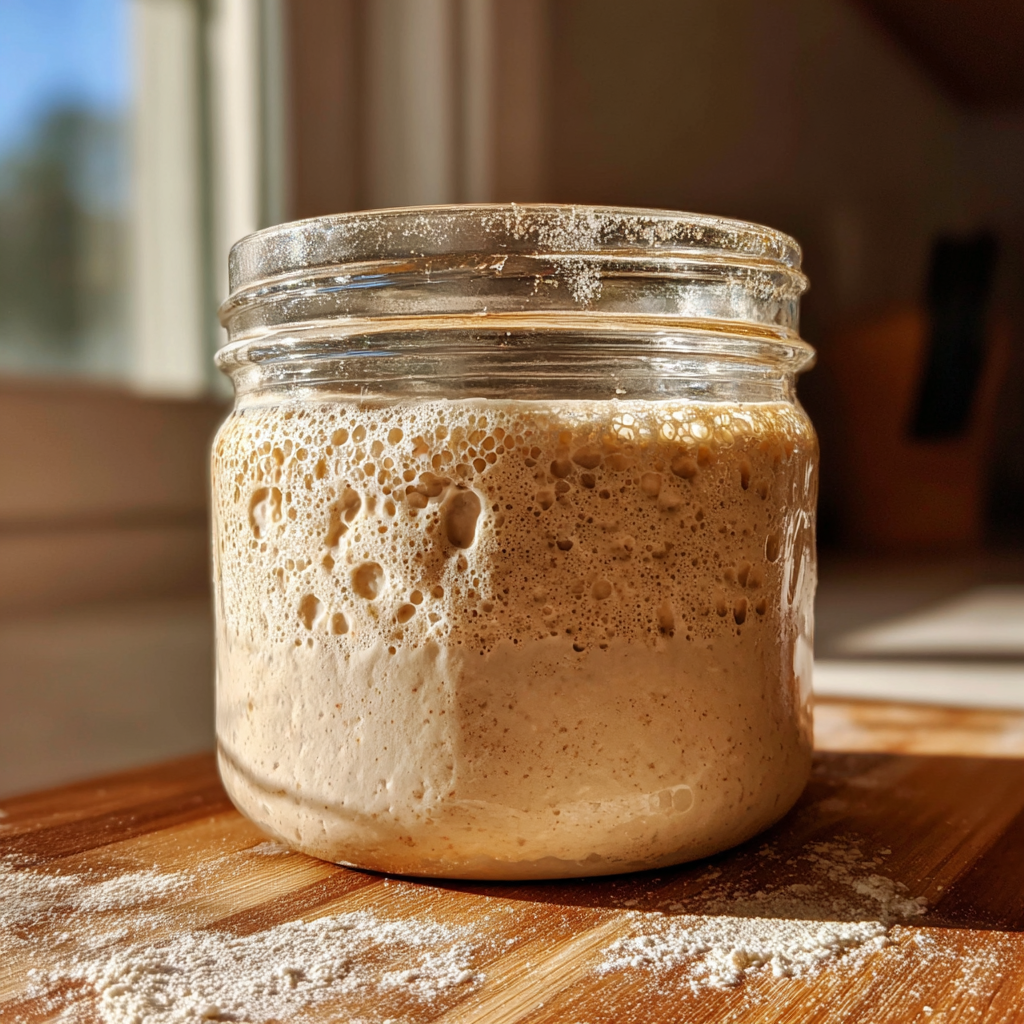
How to Make Sourdough Starter Recipe B: 7 Days Proven
How to make sourdough starter recipe B is easier than you think! This method yields a robust and bubbly starter in just seven days. Imagine baking artisan bread with a tangy, complex flavor, all from your homemade starter. Are you ready to embark on a rewarding baking adventure?
The aroma of a fermenting sourdough starter is intoxicating. It fills your kitchen with a yeasty, slightly sour scent. The texture transforms daily, from a thick paste to a light, airy sponge. You’ll witness the bubbling activity as the wild yeasts come alive. Finally, the taste evolves from bland to tangy, indicating a thriving culture.
Sourdough bread offers several health benefits, thanks to its fermentation process. The fermentation breaks down gluten, making it easier to digest. As a result, some people with mild gluten sensitivities can enjoy sourdough. Moreover, sourdough has a lower glycemic index than commercial bread. This means it causes a slower rise in blood sugar levels.
Sourdough fermentation increases the bioavailability of essential minerals. Your body can absorb nutrients like iron, zinc, and magnesium more effectively. In addition, sourdough contains prebiotics and probiotics that are beneficial for gut health. These contribute to a balanced gut microbiome, supporting overall wellness.
Furthermore, sourdough contains antioxidants that combat free radicals in the body. These antioxidants contribute to reducing inflammation and preventing chronic diseases. A surprising fact is that sourdough may also contain peptides with blood-pressure-lowering effects. This makes sourdough not only tasty but also potentially beneficial for cardiovascular health.
This specific how to make sourdough starter recipe B is foolproof and yields consistent results. It simplifies the feeding process, making it perfect for beginners. Additionally, it focuses on using readily available ingredients and equipment. This ensures that anyone can successfully create a vibrant sourdough starter at home.
What sets this recipe apart is its focus on maintaining a consistent environment. By controlling temperature and hydration, you create optimal conditions for yeast growth. Families have used this method for generations. It works for beginners and seasoned bakers alike, making it a reliable foundation for sourdough baking.
This recipe takes just 5 minutes of prep time per day for seven days. There is no cook time involved. You will end up with enough starter for several loaves of bread. The skill level is beginner, and it’s perfect for weekend projects or ongoing baking experimentation.
What is Sourdough Starter?
Sourdough starter is a living culture of wild yeasts and bacteria. It is used to leaven bread, giving it a distinctive tangy flavor and chewy texture. It replaces commercial yeast in sourdough recipes. The starter requires regular feeding with flour and water to maintain its activity.
Why You Will Love This Recipe
- It’s a simple, step-by-step guide perfect for beginners.
- You only need flour and water – no fancy ingredients required.
- It yields a robust, bubbly starter ready for baking in just 7 days.
- Enjoy the satisfaction of creating your own natural leavening agent.
- Bake delicious, tangy sourdough bread with incredible flavor.
Ingredients You Need
- Unbleached All-Purpose Flour: Provides the necessary nutrients for the yeast and bacteria to thrive.
- Filtered Water: Hydrates the flour and creates the ideal environment for fermentation. Avoid using tap water, as chlorine can inhibit yeast growth.
How to Make Sourdough Starter Recipe B Step by Step
-
Day 1: In a clean jar, mix 50 grams of unbleached all-purpose flour with 50 grams of filtered water. Stir until a smooth paste forms.
Pro Tip: Use a kitchen scale for accurate measurements. Consistency is key for a successful starter.
-
Day 2: Cover the jar loosely with a lid or cheesecloth secured with a rubber band. Let it sit at room temperature (around 70-75°F) for 24 hours.
-
Day 3: You might see some small bubbles forming. Discard half of the mixture (50 grams). Add 50 grams of fresh flour and 50 grams of filtered water. Mix well.
-
Day 4: Repeat the discarding and feeding process from Day 3. Discard 50 grams, then add 50 grams of flour and 50 grams of water. Mix thoroughly.
Pro Tip: Observe the starter’s activity. Look for increased bubbling and a slightly sour smell. This indicates active fermentation.
-
Day 5: By now, your starter should be showing significant activity, doubling in size after feeding. Repeat the discarding and feeding process.
-
Day 6: Continue the discarding and feeding process. The starter should have a noticeable sour aroma and a bubbly texture. [INTERNAL_LINK_1] You can test its readiness by dropping a small amount into a glass of water. If it floats, it’s ready to bake with.
-
Day 7: Your sourdough starter is now ready to use! Feed it one last time before using. If not using immediately, store it in the refrigerator and feed it weekly.
Pro Tip: A mature starter will double in size within 4-8 hours after feeding. This indicates it’s strong and ready for baking.
Expert Tips for Best Results
- Maintain a consistent temperature (70-75°F) for optimal yeast activity.
- Use unbleached all-purpose flour for the best results. Bleached flour can inhibit yeast growth.
- Filtered water is essential. Avoid tap water due to chlorine content.
- Discarding is crucial to prevent the buildup of unwanted acids and maintain a balanced culture.
- Observe your starter closely. Look for signs of activity like bubbles, a sour smell, and increased volume.
- If your starter seems sluggish, try feeding it twice a day for a few days. This can help revive its activity.
- Use a clean jar and utensils to prevent contamination.
Variations and Substitutions
- Gluten-Free: Use a blend of gluten-free flours like rice flour, tapioca starch, and potato starch.
- Whole Wheat: Substitute some of the all-purpose flour with whole wheat flour for a nuttier flavor.
- Rye: Add a small amount of rye flour for a more complex, tangy flavor.
- Seasonal: During warmer months, the starter may ferment faster. Reduce the feeding frequency if needed.
How to Serve and Store
Serve your sourdough bread fresh out of the oven, sliced and enjoyed with butter, olive oil, or your favorite toppings. It pairs well with soups, salads, and sandwiches.
Store your sourdough starter in the refrigerator when not in use. Feed it weekly to maintain its viability.
Freezing sourdough starter is possible. Place it in an airtight container. It can be frozen for up to a month. Thaw it in the refrigerator overnight and feed it to revive it.
Reheating sourdough bread is best done in a preheated oven at 350°F for 5-10 minutes. This will help restore its crust and texture.
Frequently Asked Questions
Why is my starter not bubbling?
It could be due to temperature fluctuations, insufficient feeding, or chlorine in the water. Ensure a consistent temperature and use filtered water. Yes, it can take time.
Can I use bread flour instead of all-purpose flour?
Yes, you can use bread flour. It contains more protein, which can result in a slightly stronger starter. [INTERNAL_LINK_2] However, all-purpose flour works just as well.
How often should I feed my starter?
When stored at room temperature, feed it daily. When refrigerated, feed it weekly. Regular feeding keeps the yeast and bacteria active.
What does “discard” mean?
Discarding removes excess starter to prevent the buildup of unwanted acids. Yes, you need to discard some starter before feeding it.
Can I use the discard in other recipes?
Yes! Sourdough discard can be used in pancakes, waffles, crackers, and other baked goods. This reduces waste and adds flavor.
How do I know when my starter is ready to use?
A mature starter will double in size within 4-8 hours after feeding. It will have a bubbly texture and a sour aroma. It should also float in water.
How to make sourdough starter recipe B is a rewarding process that yields delicious results. You’ll enjoy the tangy flavor and satisfying chew of homemade sourdough bread. Try this recipe today and leave a comment below!