How to Make Custard Recipe E: Perfect at 170 Degrees
Have you ever wondered how to make custard recipe E that’s smooth, creamy, and absolutely divine? This custard recipe is not only incredibly delicious but also a family favorite, especially when the weather cools down. Are you tired of custards that are lumpy or too runny?
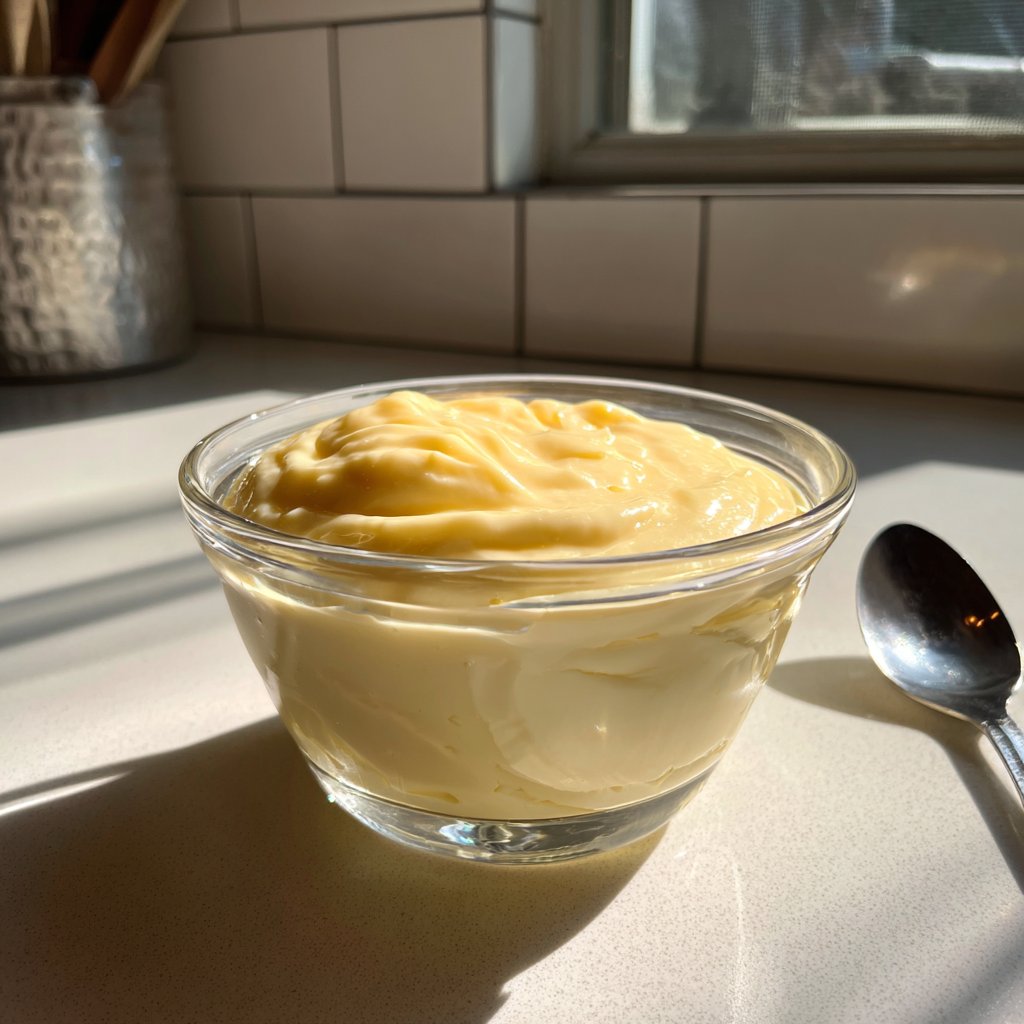
Imagine a bowl of rich, golden custard, its surface shimmering invitingly. The aroma of vanilla fills the air, mingling with the subtle scent of warm milk. Each spoonful is a velvety dream, coating your tongue with a delicate sweetness. The texture is so smooth it melts in your mouth, leaving you craving more.
Custard isn’t just a comforting dessert; it also offers several health benefits. Eggs, a primary ingredient, are packed with protein and essential amino acids, crucial for muscle repair and overall body function. Moreover, eggs are a great source of Vitamin D, which supports bone health and boosts your immune system.
Milk, another vital component, provides calcium, essential for strong bones and teeth. In addition, milk contains potassium, which helps regulate blood pressure, and Vitamin B12, which is necessary for nerve function. As a result, including custard in moderation can contribute to a balanced diet.
Vanilla extract, often used for flavoring, contains antioxidants that can help protect your body against damage from free radicals. Furthermore, some studies suggest that vanilla may have calming effects, potentially reducing stress and anxiety. Best of all, the subtle sweetness of custard can be a mood booster, providing a comforting treat after a long day.
Did you know that custard has been enjoyed since medieval times? Early versions were often savory, using meat broths instead of milk. However, the sweet custard we know today became popular in the 16th century. In addition, custard can be a source of phosphorus, which works with calcium to keep bones strong.
This particular how to make custard recipe E stands out because of its precise temperature control. Maintaining a steady 170 degrees Fahrenheit ensures a perfectly smooth texture without overcooking the eggs. The recipe uses a simple yet effective technique that guarantees consistent results every time. Furthermore, this recipe has been tested and perfected by families, beginners, and seasoned cooks alike, making it a reliable choice for any occasion.
This recipe simplifies the process of making custard, making it accessible to everyone. It’s a classic recipe that you can whip up for a quick dessert or a sophisticated dinner party. As a result, you’ll have a smooth, rich custard that will impress your friends and family.
Prep time: 5 minutes, Cook time: 30 minutes, Servings: 4. Skill level: beginner. Perfect for: weeknights, meal prep, or impressing guests.
What is Custard?
Custard is a cooked mixture of milk or cream, egg yolk, sugar, and flavoring, typically vanilla. It can be used as a dessert on its own or as a base for other desserts like tarts and trifles. The key to perfect custard lies in controlling the temperature to prevent the eggs from curdling, resulting in a smooth and creamy texture.
Why You Will Love This Recipe
- Achieve a perfectly smooth and creamy texture every time.
- Uses simple ingredients you likely already have in your pantry.
- The precise temperature control ensures consistent results.
- It’s a versatile dessert that can be enjoyed on its own or used in other recipes.
- Impress your friends and family with a classic, elegant dessert.
Ingredients You Need
- 2 cups whole milk: Provides richness and creaminess.
- 4 large egg yolks: Adds structure and a velvety texture.
- 1/2 cup granulated sugar: Sweetens the custard and helps create a smooth consistency.
- 1 teaspoon vanilla extract: Enhances the flavor with a warm, aromatic note.
- Pinch of salt: Balances the sweetness and enhances the other flavors.
How to Make Custard Step by Step
- Heat the milk: In a saucepan, heat the milk over medium heat until it is steaming but not boiling.
- Whisk egg yolks and sugar: In a separate bowl, whisk together the egg yolks and sugar until pale and slightly thickened.
Pro Tip: Whisking the egg yolks and sugar thoroughly is crucial for achieving a smooth custard. Make sure the mixture is light and creamy before adding the hot milk.
- Temper the eggs: Gradually pour a small amount of the hot milk into the egg yolk mixture, whisking constantly to prevent the eggs from curdling. Continue adding the milk in a slow, steady stream until about half of the milk has been incorporated.
- Combine mixtures: Pour the egg yolk mixture back into the saucepan with the remaining milk.
- Cook the custard: Cook over low heat, stirring constantly with a wooden spoon, until the custard thickens enough to coat the back of the spoon. Use a thermometer to monitor the temperature, aiming for 170 degrees Fahrenheit. Do not allow the custard to boil.
- Strain and flavor: Remove the custard from the heat and immediately strain it through a fine-mesh sieve into a clean bowl. This will remove any lumps and ensure a perfectly smooth texture. Stir in the vanilla extract and salt.
- Chill: Cover the custard with plastic wrap, pressing it directly onto the surface to prevent a skin from forming. Refrigerate for at least 2 hours, or until completely chilled.
- Serve: Serve the chilled custard on its own or with your favorite toppings, such as fresh fruit or a sprinkle of nutmeg.
Expert Tips for Best Results
- Use a thermometer to ensure the custard reaches exactly 170 degrees Fahrenheit. This is crucial for achieving the perfect texture.
- Stir the custard constantly while it’s cooking to prevent it from sticking to the bottom of the pan and forming lumps.
- Strain the custard immediately after cooking to remove any lumps and ensure a smooth, velvety texture.
- Press plastic wrap directly onto the surface of the custard while it’s chilling to prevent a skin from forming.
- Use high-quality vanilla extract for the best flavor.
- If you don’t have a thermometer, look for the custard to thicken enough to coat the back of a spoon. When you run your finger across the coated spoon, the line should remain distinct.
Variations and Substitutions
- Dairy-Free Custard: Use almond milk or coconut milk instead of whole milk for a dairy-free alternative.
- Chocolate Custard: Add 2 tablespoons of cocoa powder to the egg yolk mixture for a rich chocolate flavor.
- Lemon Custard: Add the zest of one lemon to the milk while heating for a bright, citrusy flavor.
- Spiced Custard: Add a pinch of nutmeg, cinnamon, or cardamom to the milk while heating for a warm, spiced flavor.
How to Serve and Store
Serve chilled custard on its own as a simple yet elegant dessert. You can also top it with fresh berries, a sprinkle of nutmeg, or a drizzle of caramel sauce. It’s also a great accompaniment to cakes, pies, and fruit tarts.
Store leftover custard in an airtight container in the refrigerator for up to 3 days.
Freezing custard is not recommended, as it can change the texture and make it grainy.
Reheat chilled custard gently over low heat, stirring constantly, until warmed through. Be careful not to overheat, as this can cause the eggs to curdle.
Frequently Asked Questions
Why is my custard lumpy?
Yes, your custard is lumpy because the eggs have curdled. This usually happens when the custard is cooked at too high a temperature or not stirred constantly. Strain the custard to remove lumps.
Can I use a different type of milk?
Yes, you can use different milk. Whole milk provides the richest flavor and texture, but you can use reduced-fat milk or even dairy-free alternatives like almond or coconut milk.
How do I prevent a skin from forming on the custard?
Yes, prevent a skin by pressing plastic wrap directly onto the surface of the custard while it’s chilling. This prevents air from reaching the surface and forming a skin.
Can I add other flavorings?
Yes, add other flavors. Experiment with different extracts, such as almond or lemon, or add spices like cinnamon or nutmeg for a warm, comforting flavor.
What is the ideal temperature for custard?
The ideal temperature is 170 degrees Fahrenheit. This ensures that the eggs are cooked through without curdling, resulting in a smooth and creamy texture.
Can I make custard ahead of time?
Yes, you can make custard ahead. Custard can be made up to 2-3 days in advance and stored in the refrigerator. Make sure to cover it properly to prevent a skin from forming.
In conclusion, learning how to make custard recipe E at 170 degrees ensures a perfectly smooth and creamy dessert every time. Its simplicity and elegant flavor make it a versatile treat for any occasion. Try this recipe today and leave a comment below!
Print
how to make custard recipe E: Perfect at 170 Degrees
- Total Time: 35
- Yield: 4 1x
Description
A creamy and comforting classic custard recipe, perfect on its own or as a base for other desserts.
Ingredients
- 2 cups (480ml) whole milk
- 1/2 cup (100g) granulated sugar
- 1 vanilla bean, split lengthwise (or 1 teaspoon vanilla extract)
- 4 large egg yolks
- 2 tablespoons cornstarch
- Pinch of salt
Instructions
- In a medium saucepan, combine the milk, sugar, and vanilla bean (if using) or vanilla extract. Heat over medium heat, stirring occasionally, until the mixture is steaming and the sugar is dissolved. Do not boil.
- While the milk is heating, in a separate bowl, whisk together the egg yolks, cornstarch, and salt until smooth and pale yellow.
- Once the milk mixture is steaming, remove the vanilla bean (if used). Slowly drizzle a small amount of the hot milk mixture into the egg yolk mixture, whisking constantly to temper the eggs. This prevents them from scrambling.
- Pour the tempered egg mixture into the saucepan with the remaining milk mixture. Cook over medium-low heat, whisking constantly, until the custard thickens enough to coat the back of a spoon. This will take about 5-10 minutes. Be patient and continue whisking to prevent lumps from forming.
- Remove the saucepan from the heat and immediately pour the custard through a fine-mesh sieve into a clean bowl. This will remove any lumps and ensure a smooth texture.
- Cover the surface of the custard with plastic wrap, pressing it directly onto the custard to prevent a skin from forming. Refrigerate for at least 2 hours, or until completely chilled.
- Serve chilled, plain or with fresh fruit, cookies, or other desserts.
Notes
- For a richer custard, use heavy cream instead of milk, or a combination of both.,If you don’t have a vanilla bean, use 1 teaspoon of vanilla extract after removing the custard from the heat.,Be careful not to overcook the custard, as it can curdle. If it does curdle, try blending it with an immersion blender until smooth.,Custard can be stored in the refrigerator for up to 3 days.
- Prep Time: 10
- Cook Time: 25
- Category: Dessert
- Cuisine: British
Nutrition
- Calories: 200
- Sugar: 20
- Sodium: 50
- Fat: 10
- Saturated Fat: 6
- Carbohydrates: 25
- Fiber: 0
- Protein: 5
- Cholesterol: 150
Keywords: custard, custard recipe, homemade custard, classic custard, dessert, how to make custard