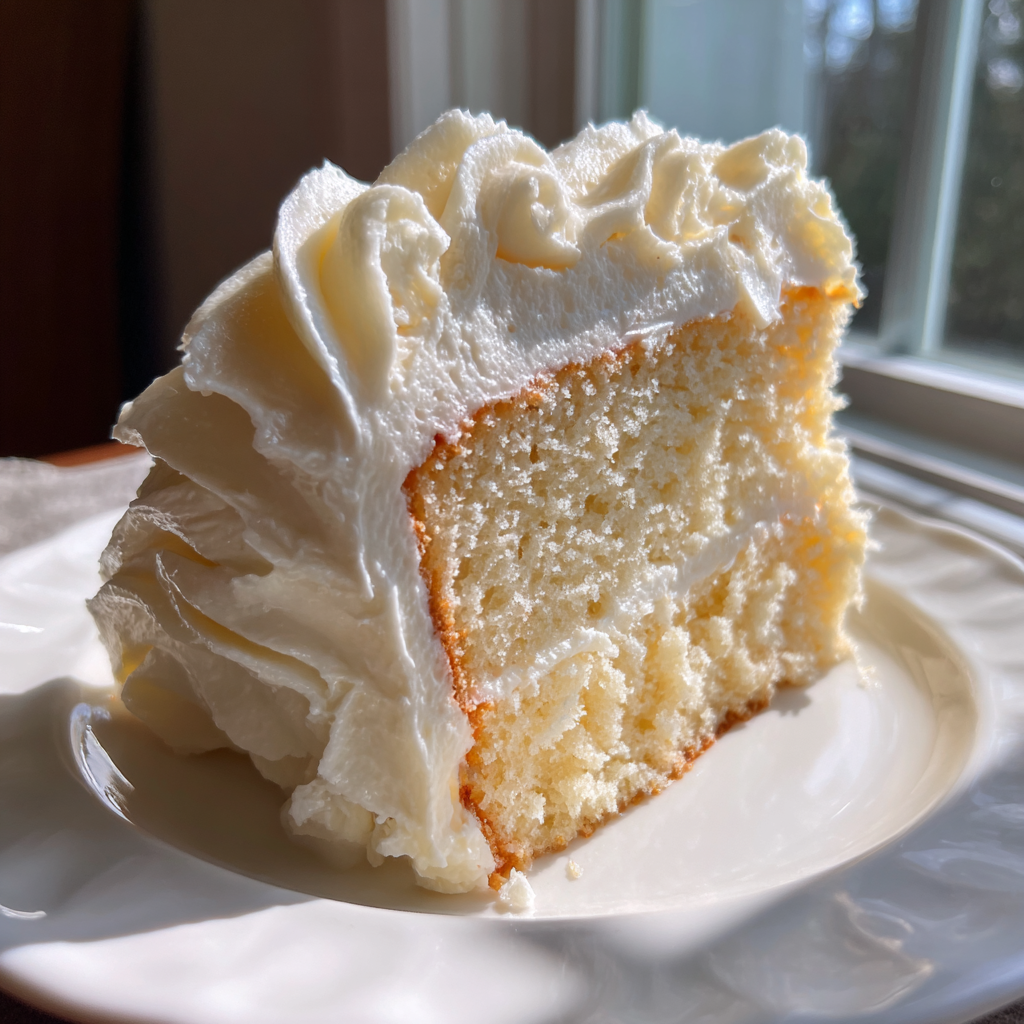
How to Make Butter Cream Recipe E: 7 Minute Foolproof Frosting
Have you ever wondered how to make butter cream recipe E that’s both incredibly smooth and stable enough for decorating? This recipe delivers exactly that – a luscious, pipeable frosting that will elevate your cakes and cupcakes. Are you tired of butter cream that’s either too sweet, too greasy, or collapses under its own weight?
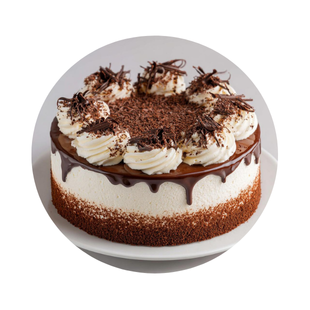
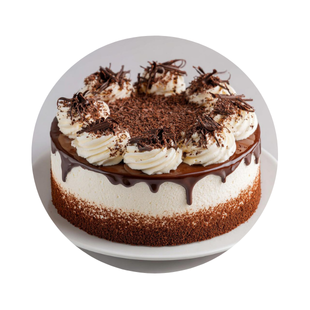
This butter cream is a dream come true for bakers of all skill levels. As a result, it boasts a velvety texture, a balanced sweetness, and a sturdy structure that holds its shape beautifully. Furthermore, imagine the aroma of sweet butter mingling with vanilla as you whip up this delightful frosting. The color is a pristine white, ready to be tinted with your favorite shades. Best of all, the taste is rich and decadent, without being cloying.
Understanding the health benefits of your ingredients can make your treats even more enjoyable. Butter, the base of this frosting, provides Vitamin A, essential for vision and immune function. Moreover, it also contains butyrate, a short-chain fatty acid that may promote gut health. Sugar, while often vilified, provides quick energy for your body. In addition, vanilla extract, derived from vanilla beans, contains antioxidants that can help protect your cells from damage.
Eggs, often used in more complex butter cream recipes, are omitted here for simplicity and speed. However, this doesn’t compromise the quality of the final product. This recipe relies on the precise ratio of butter to sugar and a thorough whipping process to create a stable emulsion. One surprising fact about butter is that grass-fed butter contains higher levels of Omega-3 fatty acids, known for their anti-inflammatory properties. Additionally, many people don’t know that butter also contains trace amounts of Vitamin D, essential for bone health.
This particular how to make butter cream recipe E stands out because of its simplicity and speed. Most butter cream recipes require a candy thermometer or a double boiler, but this one comes together in a single bowl in just 7 minutes. Moreover, it’s incredibly forgiving and easy to adjust to your preferred level of sweetness. This recipe has been tested and perfected by home bakers and professional pastry chefs alike.
Families love how quickly it comes together for last-minute birthday cakes. Beginners appreciate the straightforward instructions and minimal ingredients. In addition, this butter cream works beautifully for special occasions like weddings and holidays. In short, it’s a reliable and versatile frosting that will impress everyone who tastes it.
This how to make butter cream recipe E takes only 7 minutes to make and yields enough frosting for about 12 cupcakes. It’s a beginner-friendly recipe that’s perfect for weeknight baking, meal prep (frosting can be made in advance!), or impressing guests with your decorating skills.
What is Butter Cream?
Butter cream is a type of frosting made primarily from butter and sugar. It is used to coat and decorate cakes, cupcakes, cookies, and other desserts. Moreover, its smooth, creamy texture and rich flavor make it a favorite among bakers and dessert lovers alike. There are several variations of butter cream, including American, Swiss, Italian, and French, each with its own unique method and characteristics.
Why You Will Love This Recipe
- It takes only 7 minutes to make.
- It requires minimal ingredients.
- It’s incredibly smooth and pipeable.
- It’s less sweet than traditional American butter cream.
- It’s stable at room temperature.
Ingredients You Need
- 1 cup (2 sticks) unsalted butter: Make sure it’s softened to room temperature for the best texture.
- 3 cups powdered sugar: This provides the sweetness and structure for the frosting.
- 2 tablespoons milk or cream: This adds moisture and helps create a smooth consistency.
- 1 teaspoon vanilla extract: This enhances the flavor of the butter cream.
- Pinch of salt: This balances the sweetness and enhances the other flavors.
How to Make Butter Cream Step by Step
- In a large bowl, beat the softened butter with an electric mixer until light and fluffy, about 2 minutes.
- Gradually add the powdered sugar, one cup at a time, beating on low speed until combined.
- Add the milk or cream, vanilla extract, and salt. Beat on medium speed until smooth and creamy, about 3-5 minutes.
Pro Tip: For the fluffiest butter cream, whip the frosting for at least 3 minutes. This incorporates air and creates a lighter texture.
- If the frosting is too thick, add more milk or cream, one tablespoon at a time, until you reach the desired consistency.
- If the frosting is too thin, add more powdered sugar, one tablespoon at a time, until you reach the desired consistency.
- Use immediately to frost your favorite cakes and cupcakes, or store in an airtight container in the refrigerator for up to a week.
Expert Tips for Best Results
- Use softened, but not melted, butter. Cold butter will result in lumpy frosting, while melted butter will make it too thin.
- Sift the powdered sugar to remove any lumps. This will help create a smoother frosting.
- Don’t overbeat the frosting. Overbeating can cause the butter to separate and the frosting to become greasy.
- Adjust the amount of milk or cream to achieve your desired consistency. Add more for a thinner frosting, less for a thicker frosting.
- For a brighter white frosting, use clear vanilla extract.
- If your frosting is too sweet, add a pinch of salt or a teaspoon of lemon juice to balance the flavors.
- If you want to add food coloring, use gel food coloring instead of liquid. Liquid food coloring can change the consistency of the frosting.
Variations and Substitutions
- Dairy-Free: Substitute the butter with a vegan butter alternative and the milk or cream with a plant-based milk, such as almond or soy milk.
- Chocolate: Add 1/4 cup of unsweetened cocoa powder to the frosting for a rich chocolate flavor.
- Lemon: Add 1-2 tablespoons of lemon juice and the zest of one lemon for a bright, citrusy flavor.
- Peanut Butter: Add 1/2 cup of peanut butter to the frosting for a nutty flavor.
How to Serve and Store
Serve this butter cream immediately after making it for the best texture. It’s perfect for frosting cakes, cupcakes, cookies, and other desserts. You can also use it to fill pastries or as a topping for waffles and pancakes. [INTERNAL_LINK_1]
Store leftover butter cream in an airtight container in the refrigerator for up to a week. The frosting may harden in the refrigerator, so allow it to come to room temperature before using. Re-whip it with an electric mixer until smooth and creamy.
Freezing: Yes, you can freeze butter cream for up to 3 months. Thaw it in the refrigerator overnight and re-whip before using.
Reheating: The best method for reheating butter cream is to let it come to room temperature and then re-whip it with an electric mixer.
Frequently Asked Questions
Can I use salted butter instead of unsalted butter?
Yes, you can. However, reduce the amount of added salt to a pinch or omit it altogether. This will prevent the frosting from being too salty.
How do I fix grainy butter cream?
Grainy butter cream is often caused by undissolved sugar. Best of all, try adding a tablespoon of milk and re-whipping the frosting until smooth.
Can I make butter cream ahead of time?
Yes, you can make butter cream ahead of time. Furthermore, store it in the refrigerator for up to a week or in the freezer for up to 3 months.
Why is my butter cream too soft?
Too-soft butter cream is often caused by using butter that is too warm. As a result, chill the frosting for 15-20 minutes and then re-whip it.
How do I make my butter cream more stable?
To stabilize butter cream, ensure you whip it for a sufficient amount of time. Also, using a higher ratio of butter to sugar can help.
Can I add flavoring to my butter cream?
Yes, you can add various flavorings to your butter cream. In addition, extracts, citrus zest, and melted chocolate are all great options.
In conclusion, this how to make butter cream recipe E provides a quick and easy way to create a luscious frosting. It’s incredibly smooth and stable, making it ideal for decorating cakes and cupcakes. Try this recipe today and leave a comment below! [INTERNAL_LINK_2]