Are Yams and Sweet Potatoes the Same: The Secret Truth Revealed
When it comes to root vegetables, few comparisons are as common and misunderstood as the one between yams and sweet potatoes. In fact, the question of whether are yams and sweet potatoes the same is one that continues to baffle many. Their visual similarities often lead to confusion, especially in culinary contexts where they are used interchangeably. But are they truly the same? This article aims to clear the air and shed light on these two delicious tubers, diving deep into their differences, similarities, and culinary uses.
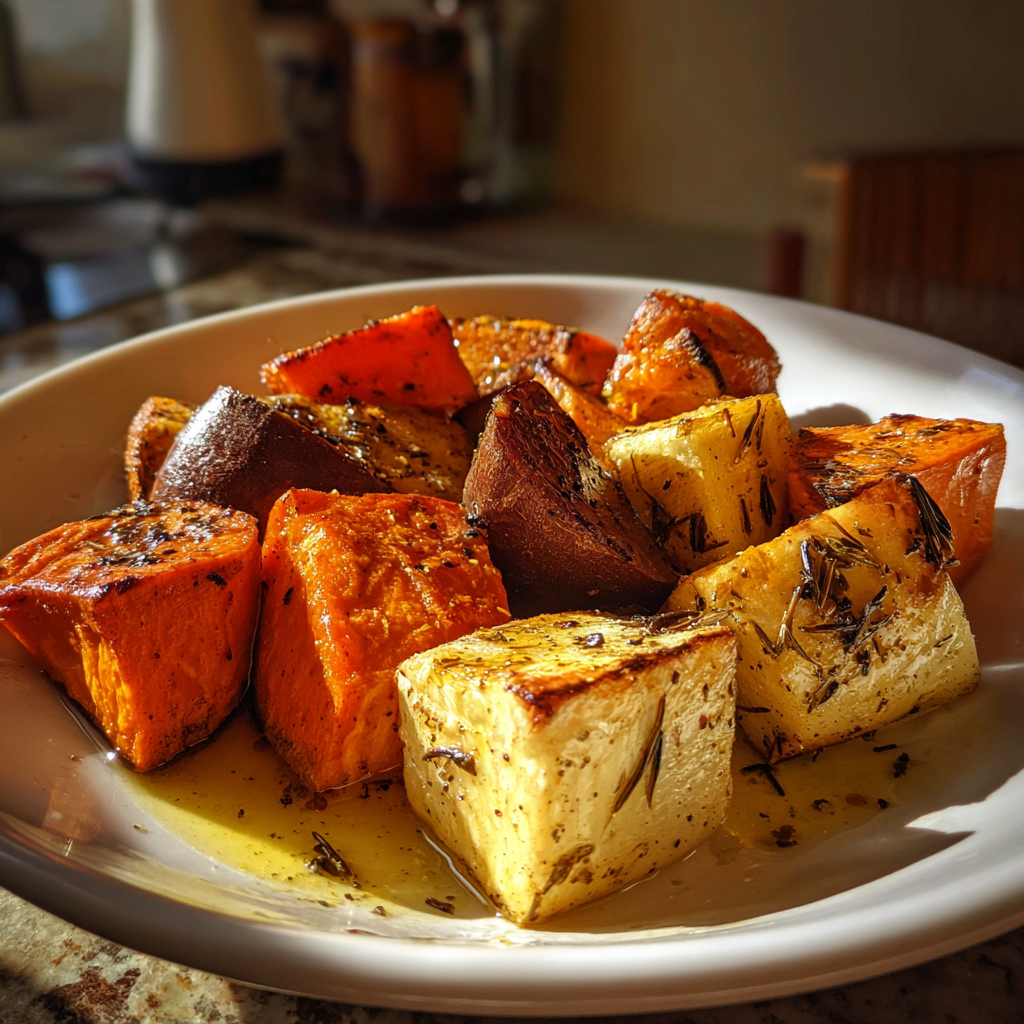
The vibrant colors of sweet potatoes range from orange to purple, while yams have a more muted, earthy tone. Both are often featured in various dishes, from Thanksgiving sides to comforting casseroles, making them staples in many kitchens. But here’s the catch: despite their common appearances and uses, yams and sweet potatoes come from completely different botanical families. So, what exactly sets them apart? Let’s dive into the details!
As we explore the differences between these two tubers, we will also touch upon their nutritional values, culinary applications, and how they can be used in recipes. After all, understanding what sets them apart can enhance your culinary skills and help you make better food choices. So, are you ready to uncover the truth about yams and sweet potatoes? Let’s get started!
What Are Yams and Sweet Potatoes?
Yams are starchy tubers that belong to the Dioscorea family, primarily found in Africa, the Caribbean, and Asia. They are often larger than sweet potatoes and have a rough, scaly skin. Inside, yams can range from white to purple and have a drier, starchier texture. In contrast, sweet potatoes belong to the Convolvulaceae family and are primarily grown in the Americas. Their skin can be orange, yellow, or purple, and their flesh is typically sweet and moist. The texture is creamier compared to yams, making them a popular choice in desserts.
Why the Misconception?
The confusion between yams and sweet potatoes stems largely from culinary traditions in North America. When African slaves were brought to the United States, they referred to sweet potatoes as “yams” due to their resemblance to the yams found in their native countries. This nomenclature stuck, and even today, many grocery stores label sweet potatoes as yams, further perpetuating the misunderstanding.
Moreover, the culinary uses of both tubers can overlap significantly, especially in baked dishes, casseroles, and fried preparations. This leads many home cooks to assume that they are interchangeable, which is not always the case. Understanding their distinct flavors and textures is essential for the best culinary results.
Nutritional Comparison
When it comes to nutrition, both yams and sweet potatoes offer unique benefits. Sweet potatoes are often celebrated for their high beta-carotene content, which is converted into vitamin A in the body, essential for good vision and immune function. They are also rich in dietary fiber, which aids in digestion.
In contrast, yams provide a good source of vitamin C, potassium, and manganese. They are lower in sugar than sweet potatoes, making them a great option for savory dishes. However, they are not as nutrient-dense as sweet potatoes, particularly in terms of vitamins A and C.
Culinary Uses
Both yams and sweet potatoes are versatile ingredients that can be used in a variety of dishes. Sweet potatoes shine in both savory and sweet applications. They can be roasted, mashed, or even turned into pies and muffins. Their natural sweetness makes them a favorite in desserts, where they can replace traditional sugars and fats.
Yams, on the other hand, are often used in more savory dishes. They are commonly found in African and Caribbean cuisines, where they are boiled, fried, or mashed. Unlike sweet potatoes, yams have a more neutral flavor, making them suitable for hearty dishes and stews.
How to Tell the Difference
When shopping for these tubers, it’s essential to know how to differentiate between yams and sweet potatoes. Here are a few tips:
- Skin Texture: Yams have rough, scaly skin, while sweet potatoes have smoother, thinner skin.
- Color: Sweet potatoes typically have orange or yellow flesh, while yams can be white, purple, or yellow.
- Texture: Sweet potatoes are creamy and moist, whereas yams are drier and starchy.
Substituting Yams for Sweet Potatoes
While it’s best to use the specific tuber called for in a recipe, there are occasions when you may need to substitute yams for sweet potatoes or vice versa. If you’re using yams in place of sweet potatoes, be prepared for a different flavor and texture. You may need to adjust cooking times and accompanying ingredients to achieve the desired result.
For example, if a recipe calls for mashed sweet potatoes, and you’re using yams instead, consider adding a bit more butter or cream to achieve that creamy consistency. The flavor profile will also differ, so be mindful of how the dish may change.
Cooking Methods for Yams and Sweet Potatoes
Both yams and sweet potatoes can be prepared using various methods, each enhancing their unique flavors. Here are some popular cooking methods:
- Roasting: Roasting brings out the natural sweetness of sweet potatoes while providing a caramelized exterior. Yams can also be roasted, but they may require additional spices and fats to enhance flavor.
- Boiling: Boiling is ideal for making mashed varieties of both tubers. Boiling sweet potatoes brings out their creamy texture, while yams can be boiled for a firmer bite.
- Frying: Sweet potato fries are a popular treat, while yam fries offer a heartier alternative. Both can be seasoned to taste.
- Baking: Baking sweet potatoes can lead to a deliciously tender and sweet result, perfect for desserts. Yams can also be baked, but may require additional seasoning.
Health Benefits of Yams and Sweet Potatoes
Both yams and sweet potatoes offer numerous health benefits:
- Rich in Nutrients: Sweet potatoes are packed with beta-carotene, vitamin C, and fiber, while yams provide potassium and vitamin C.
- Antioxidant Properties: Both tubers contain antioxidants that can help fight inflammation and reduce the risk of chronic diseases.
- Digestive Health: The fiber content in both yams and sweet potatoes promotes healthy digestion.
Storage and Preservation
Proper storage is crucial for maintaining the freshness of yams and sweet potatoes. Store them in a cool, dark place, such as a pantry or cellar. Avoid refrigeration, as cold temperatures can alter their flavor and texture.
For longer preservation, consider freezing. Cooked sweet potatoes can be frozen for up to a year, while yams can be stored in the freezer for about six months. Ensure they are properly wrapped to prevent freezer burn.
Frequently Asked Questions
Can I use yams instead of sweet potatoes in a pie?
Yes, but be prepared for a different flavor and texture. Sweet potatoes are generally sweeter and creamier, so adjust your recipe accordingly.
Are yams more nutritious than sweet potatoes?
It depends on what nutrients you’re looking for. Sweet potatoes are higher in beta-carotene and fiber, while yams provide more vitamin C and potassium.
How can I tell if a yam is bad?
Check for soft spots, discoloration, or a foul odor. If any of these signs are present, it’s best to discard the yam.
Do yams and sweet potatoes taste the same?
No, they have distinct flavors. Sweet potatoes are sweeter and creamier, while yams have a more neutral and starchy taste.
Can I grow yams and sweet potatoes in my garden?
Yes, both can be grown in home gardens, but they require different growing conditions. Sweet potatoes thrive in warm, sunny locations, while yams prefer slightly cooler temperatures.
Conclusion
Understanding the differences between yams and sweet potatoes not only enhances your culinary knowledge but also enriches your cooking experience. While they may look similar and can sometimes be used interchangeably, their distinct flavors, textures, and nutritional profiles set them apart.
Next time you find yourself pondering the question, are yams and sweet potatoes the same, you can confidently share the truth: they are different but both delicious in their own right! Experiment with both in your kitchen and discover the unique dishes you can create. Enjoy the journey of culinary exploration!
Print
Are Yams and Sweet Potatoes the Same: The Secret Truth Revealed
Ingredients
- Varies Yams (Typically starchier and drier than sweet potatoes.)
- Varies Sweet Potatoes (Sweeter and creamier texture, available in various colors.)
Instructions
- Understand that yams and sweet potatoes are often confused but are botanically different.
- Recognize that true yams are starchy tubers from the Dioscorea family, while sweet potatoes belong to the Convolvulaceae family.
- Note the differences in texture: yams are usually drier and starchier, whereas sweet potatoes are sweeter and creamier.
Notes
- Yams are more common in African and Caribbean cuisines.
- Sweet potatoes are widely used in American dishes, especially during holidays.
Keywords: yams vs sweet potatoes, are yams and sweet potatoes the same, yams, sweet potatoes