Easter Breakfast Casserole: Perfect at 350 for Easter
Looking for the ultimate crowd-pleasing brunch recipe? This easter breakfast casserole is exactly what you need! It’s a guaranteed hit and will quickly become a cherished family favorite. Are you tired of spending hours in the kitchen on Easter morning, missing out on quality time with your loved ones?
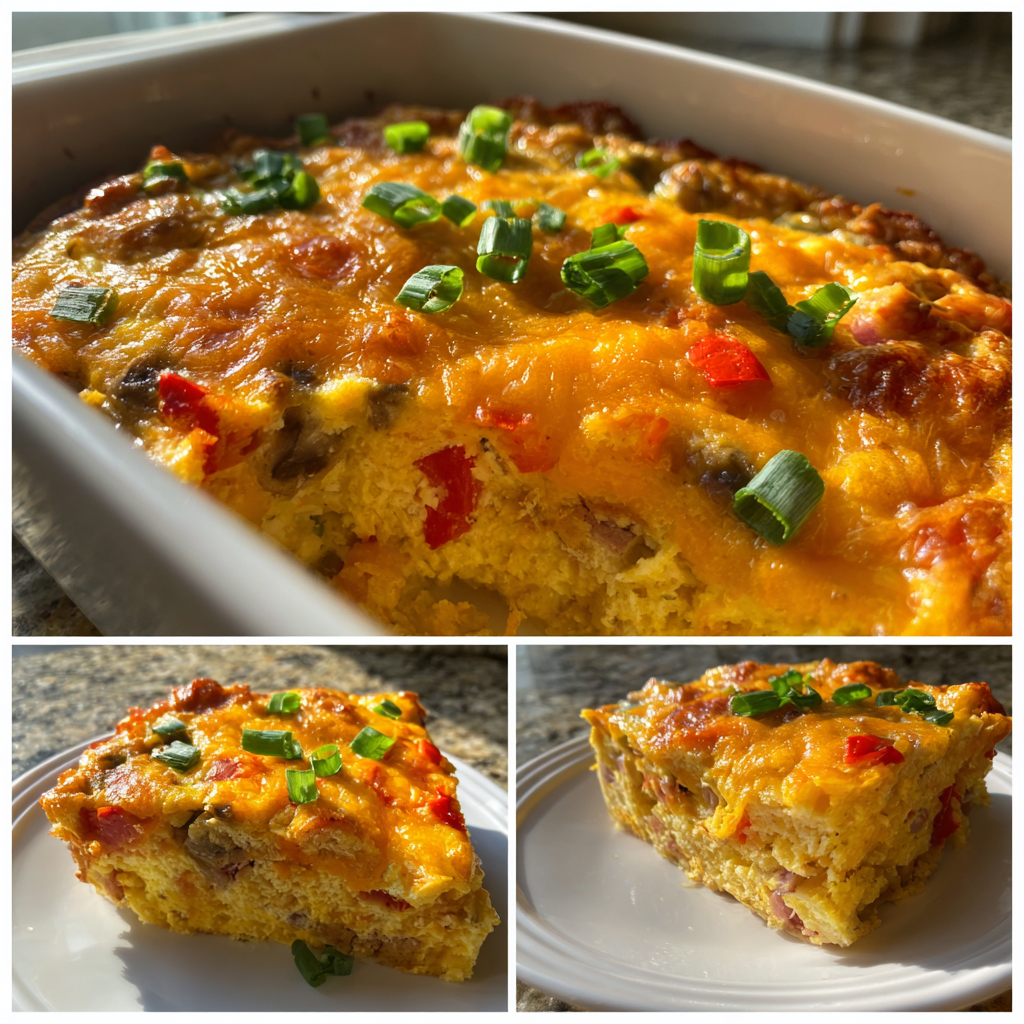
Imagine waking up to the irresistible aroma of savory sausage, melted cheese, and fluffy eggs. Picture a golden-brown crust, speckled with vibrant green onions and juicy bell peppers. The texture is a delightful mix of creamy and slightly crispy, with each bite offering a burst of flavor. This easter breakfast casserole is not only visually appealing but also incredibly satisfying.
This hearty casserole is packed with nutrients and offers several health benefits. Eggs are an excellent source of protein and essential amino acids, crucial for muscle building and repair. Moreover, they contain choline, which is important for brain health and memory function. Did you know that eggs are one of the few foods that naturally contain Vitamin D?
Sausage provides a good source of protein and energy to kickstart your day. Furthermore, it contains minerals like iron, essential for carrying oxygen in the blood. Bell peppers, especially red and yellow ones, are rich in Vitamin C, a powerful antioxidant that boosts your immune system. In addition, they offer Vitamin A, important for vision and skin health.
Cheese adds calcium, vital for strong bones and teeth, and also contributes to the casserole’s creamy texture. Onions and garlic, often included in sausage or added separately, contain compounds that may have anti-inflammatory and antibacterial properties. Best of all, these ingredients combined provide a well-rounded and delicious meal.
What sets this easter breakfast casserole apart is its simplicity and adaptability. This recipe uses a combination of classic ingredients and a straightforward method that even beginner cooks can master. It’s designed to be prepped the night before, saving you valuable time and stress on Easter morning. As a result, you will have more time to spend with your family and friends.
Families have raved about how easy and delicious this casserole is, making it a staple for their Easter celebrations year after year. The ability to customize the ingredients to suit different dietary needs and preferences also makes it a winner. Moreover, this recipe is a fantastic way to use up leftover ham or vegetables from your Easter feast.
This easter breakfast casserole requires just 20 minutes of prep time and 45 minutes of cook time, yielding 8 servings. It’s a beginner-friendly recipe, perfect for weeknight meal prep or serving to guests during the holidays. In addition, this recipe has been tested and proven to be delicious by many home cooks.
What is Easter Breakfast Casserole?
Easter breakfast casserole is a baked dish typically made with bread, eggs, cheese, meat (such as sausage, bacon, or ham), and vegetables. It is a popular choice for Easter brunch or breakfast because it can be prepared ahead of time and easily feeds a crowd. Moreover, it’s a versatile dish that can be customized to suit different tastes and dietary preferences.
Why You Will Love This Recipe
- It’s incredibly easy to prepare, with most of the work done the night before.
- The customizable ingredients allow you to cater to different dietary needs and preferences.
- It’s a great way to use up leftover ham or vegetables from your Easter dinner.
- The combination of savory sausage, melted cheese, and fluffy eggs is undeniably satisfying.
- It’s a crowd-pleaser that’s perfect for feeding a large group of family and friends.
Ingredients You Need
- Bread: Use cubed bread, such as challah, brioche, or sourdough, to provide a sturdy base for the casserole.
- Sausage: Opt for breakfast sausage, either mild or spicy, to add a savory and flavorful element.
- Eggs: Eggs are essential for binding the casserole together and creating a creamy, custard-like texture.
- Cheese: Shredded cheddar, mozzarella, or Gruyère cheese adds richness and melty goodness.
- Milk or Cream: Milk or cream adds moisture and helps to create a smooth and creamy consistency.
- Vegetables: Diced bell peppers, onions, and spinach add color, flavor, and nutritional value.
- Seasonings: Salt, pepper, garlic powder, and onion powder enhance the overall flavor profile.
How to Make Easter Breakfast Casserole Step by Step
- Prepare the bread and sausage: Cube the bread and spread it in a greased 9×13 inch baking dish. Brown the sausage in a skillet, then drain off any excess grease. Sprinkle the sausage evenly over the bread.
Pro Tip: For extra flavor, toast the bread cubes lightly in the oven before adding them to the baking dish. This will prevent the casserole from becoming soggy.
- Add the vegetables and cheese: Scatter the diced bell peppers and onions over the sausage and bread. Then, sprinkle the shredded cheese evenly over the vegetables.
- Whisk the eggs and milk: In a large bowl, whisk together the eggs, milk or cream, salt, pepper, garlic powder, and onion powder until well combined.
- Pour the egg mixture over the bread and sausage: Pour the egg mixture evenly over the bread, sausage, and cheese. Use a spatula to gently press down on the bread to ensure it is fully submerged in the egg mixture.
- Refrigerate overnight: Cover the baking dish with plastic wrap and refrigerate for at least 8 hours, or preferably overnight. This allows the bread to soak up the egg mixture and ensures a moist and flavorful casserole.
- Bake the casserole: Preheat oven to 350°F (175°C). Remove the plastic wrap from the baking dish and bake for 45-50 minutes, or until the casserole is golden brown and set. A knife inserted into the center should come out clean.
- Let it rest and serve: Let the casserole rest for 10-15 minutes before slicing and serving. This allows the casserole to set up properly and makes it easier to slice.
Expert Tips for Best Results
- Use day-old bread for the best texture. Stale bread absorbs the egg mixture better without becoming mushy.
- Don’t skip the overnight refrigeration. This step is crucial for allowing the bread to fully absorb the egg mixture.
- If the top of the casserole starts to brown too quickly, cover it loosely with aluminum foil.
- For a richer flavor, use heavy cream instead of milk.
- Add a pinch of nutmeg to the egg mixture for a warm, subtle spice.
- Garnish with fresh herbs, such as parsley or chives, for a pop of color and flavor.
Variations and Substitutions
- Dietary: For a gluten-free option, use gluten-free bread. For a dairy-free version, use dairy-free cheese and almond milk or coconut milk.
- Regional: Add chorizo and Monterey Jack cheese for a Southwestern twist.
- Seasonal: Incorporate seasonal vegetables, such as asparagus and mushrooms in the spring, or butternut squash and cranberries in the fall.
- Meat Lovers: Use a combination of sausage, bacon, and ham for an extra meaty casserole.
How to Serve and Store
Serve the easter breakfast casserole warm, straight from the oven. It pairs well with fresh fruit, yogurt, or a side salad. For a festive touch, garnish with fresh herbs and a sprinkle of paprika.
Store leftover casserole in an airtight container in the refrigerator for up to 3 days.
Freezing: Yes, you can freeze the casserole. Let it cool completely, then wrap it tightly in plastic wrap and aluminum foil. Freeze for up to 2 months.
Reheating: The best method for reheating is in the oven at 350°F (175°C) until warmed through. You can also reheat individual slices in the microwave.
Frequently Asked Questions
Can I make this casserole ahead of time?
Yes, you absolutely can! In fact, it’s recommended to assemble the casserole the night before and refrigerate it overnight. This allows the flavors to meld together and the bread to soak up the egg mixture.
Can I use different types of cheese?
Yes, feel free to experiment with different cheeses. Cheddar, mozzarella, Gruyère, and Monterey Jack are all great options. Choose your favorites or use a combination for a more complex flavor.
Can I add different vegetables?
Yes, you can customize the vegetables to your liking. Spinach, mushrooms, broccoli, and zucchini are all excellent additions. Just be sure to sauté them before adding them to the casserole.
Can I freeze this casserole after it’s been baked?
Yes, you can freeze the baked casserole. Let it cool completely, then wrap it tightly in plastic wrap and aluminum foil. Freeze for up to 2 months.
How do I prevent the casserole from becoming soggy?
To prevent sogginess, use day-old bread and toast it lightly before adding it to the baking dish. Also, be sure to drain off any excess grease from the sausage.
What temperature should the oven be?
The oven should be preheated to 350°F (175°C). This temperature ensures that the casserole cooks evenly and the eggs set properly.
This easter breakfast casserole is the perfect solution for a stress-free and delicious Easter morning. Not only is it easy to prepare, but it’s also a guaranteed crowd-pleaser. Try this recipe today and leave a comment below!