Oh my goodness, let me tell you about my love affair with beef tallow! It’s like the secret weapon in my kitchen that takes my cooking to the next level. Seriously, this rendered fat is so versatile, you can use it for frying, baking, or even sautéing. You name it, beef tallow can do it! And the flavor? Wow! It adds a rich, savory depth that just can’t be matched by any vegetable oil or butter.
One of the best things about beef tallow is its high smoke point, which makes it perfect for frying crispy potatoes or deliciously searing a steak. Plus, it’s packed with healthy fats that are great for energy and can even be beneficial for your keto or paleo diet. I’ve started using it in my baking as well, and let me tell you – my biscuits have never been flakier!
Honestly, rendering beef tallow might sound a bit daunting at first, but trust me, once you get the hang of it, it’s a breeze! It’s a great way to make use of the whole animal and reduce waste, which is something I’m really passionate about. So, grab some beef fat, and let’s dive into this amazing process together!
Ingredients List
Here’s what you’ll need to get started on rendering your own beef tallow. Trust me, it’s super simple and oh-so-rewarding!
- Beef fat: 2 pounds – Look for good quality beef fat, also known as suet or fatback, from your butcher. Make sure it’s fresh and not too old, as that can affect the flavor of your tallow. Cut it into small chunks to help it render more easily.
That’s it! Just one ingredient, and you’re on your way to creating a cooking fat that will elevate your dishes like nothing else. You’ll be amazed at how much flavor and richness it brings to your cooking!
How to Prepare Beef Tallow
Alright, let’s get down to the nitty-gritty of rendering that beautiful beef tallow! This process is not only simple but also incredibly satisfying. You’ll feel like a kitchen wizard once you see those chunks of beef fat transform into liquid gold. Here’s how you do it:
Step-by-Step Instructions
- Cut the beef fat: Start by cutting the beef fat into small chunks, about 1-inch pieces. This helps the fat melt evenly and quickly, which is exactly what you want! It’s kind of like prepping your veggies before a stir-fry—just makes everything easier.
- Heat it up: Grab a large pot and place it on the stove over low heat. Remember, we want a slow melt here, so don’t crank up the heat! Patience is key, and the magic happens as the fat renders down into liquid.
- Stir occasionally: As the fat begins to melt, give it a gentle stir now and then. This helps everything melt uniformly and prevents any bits from sticking to the bottom of the pot. You’ll see it start to transform into a glistening pool of goodness!
- Strain the liquid: Once most of the fat has melted and you see some crispy bits of beef left, it’s time to strain! Carefully pour the melted fat through a cheesecloth into a heatproof container. This step is crucial because it removes any impurities and bits of meat, leaving you with pure tallow.
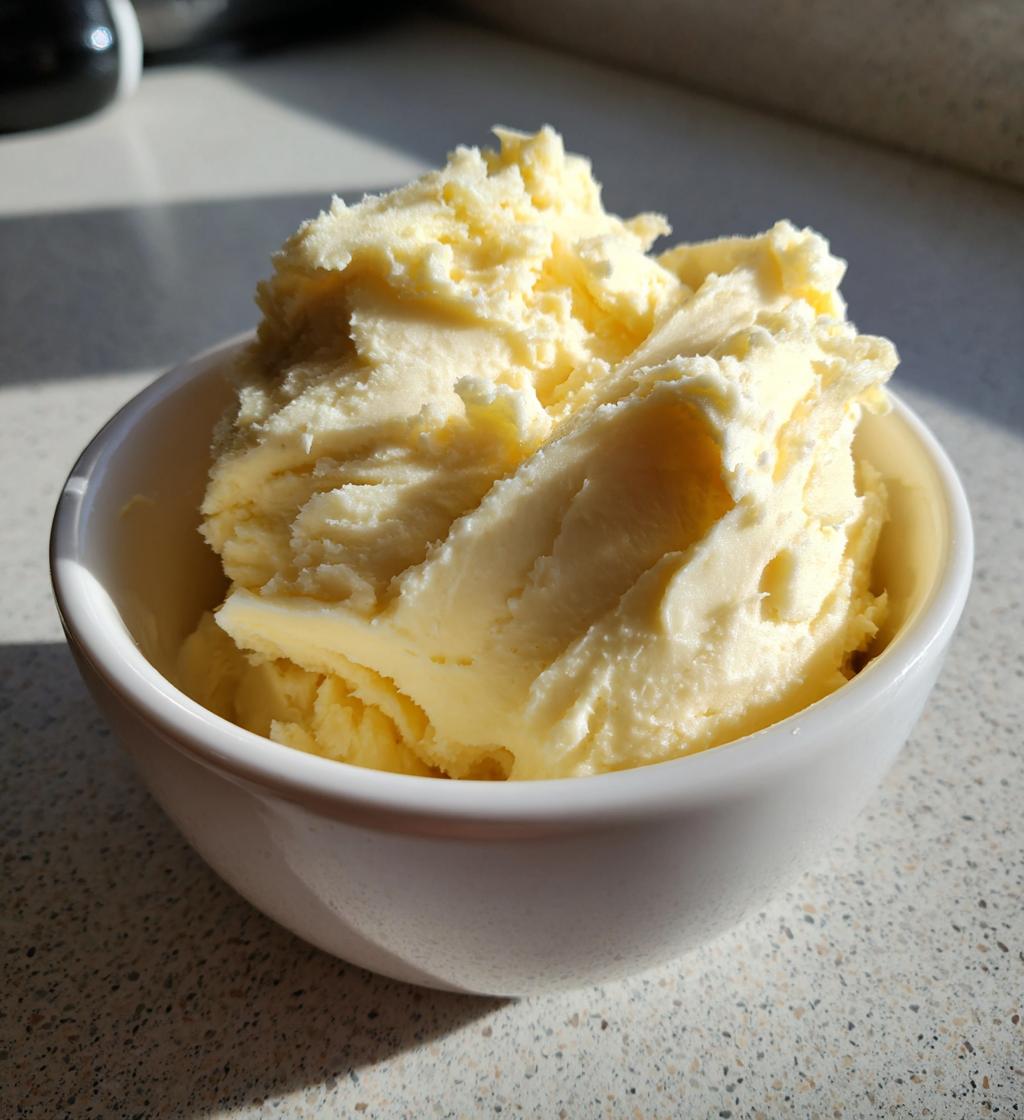
- Let it cool: Allow the strained tallow to cool at room temperature before transferring it to the refrigerator. It will solidify as it cools, turning into a beautiful creamy texture that’s ready for all your cooking adventures!
And there you have it! In just a couple of hours, you’ll have your very own batch of beef tallow that’s ready to enhance your culinary creations. It’s that easy! Trust me, once you try using it in your cooking, you’ll never look back!
Why You’ll Love This Recipe
Let me tell you, once you start using beef tallow in your cooking, you’ll be hooked! Here’s why this recipe is a game changer:
- Health Benefits: Beef tallow is rich in healthy fats, including saturated and monounsaturated fats, which are great for energy and can support a low-carb or paleo diet. Plus, it’s free from the artificial additives often found in vegetable oils!
- Versatility: Whether you’re frying, roasting, or baking, beef tallow can do it all! It gives your dishes an incredible depth of flavor and can even be used in place of butter or oil in many recipes.
- High Smoke Point: With a smoke point around 400°F, beef tallow is perfect for high-heat cooking. You’ll get those crispy edges on potatoes or a beautifully seared steak without worrying about burning the fat!
- Easy Preparation: Rendering your own beef tallow is simpler than you think! Just a little time and patience are all you need to transform beef fat into a culinary treasure. Plus, it’s incredibly satisfying to know you made it yourself!
- Waste Reduction: Using beef tallow is a fantastic way to make use of the whole animal. It’s a sustainable choice that helps minimize waste and supports ethical eating.
So, what are you waiting for? Dive into this beef tallow adventure and elevate your cooking to new heights!
Tips for Success
Alright, before you jump into rendering your beef tallow, here are some pro tips that’ll help ensure you get the best results possible. Trust me, these little nuggets of wisdom make a big difference!
- Choose Quality Fat: Always go for high-quality beef fat from a reputable source. If you can get it from grass-fed cows, even better! It’ll have a richer flavor and better nutritional profile.
- Cut It Small: The smaller you cut the beef fat, the quicker and more evenly it will render. Think of it like chopping veggies—uniform pieces lead to a smoother cooking process!
- Low and Slow is Key: Resist the urge to crank up the heat! Rendering fat is all about patience. Keeping the heat low prevents burning and allows the fat to melt gently, ensuring the best flavor and texture.
- Don’t Rush the Straining: When it’s time to strain the melted fat, take your time pouring it through the cheesecloth. If you rush, you might end up with bits and impurities in your final product. We want pure, golden tallow!
- Use a Heatproof Container: Make sure to pour your hot liquid tallow into a container that can handle the heat. Glass jars or metal containers work great. Just be careful—those handles can get super hot!
- Cool It Right: Allow the tallow to cool at room temperature first, then transfer it to the fridge. It’ll solidify beautifully, and you’ll be left with that creamy texture we all love!
- Label and Date: If you’re making a big batch, don’t forget to label your container with the date. Even though beef tallow has a long shelf life, it’s always good to know when it was made!
With these tips in your back pocket, you’re all set to create some amazing beef tallow. Just remember to enjoy the process and savor the delightful aroma filling your kitchen!
Storage & Reheating Instructions
Now that you’ve rendered your beautiful beef tallow, it’s important to store it properly so you can enjoy it for weeks to come. Trust me, you’ll want to keep this liquid gold on hand for all your cooking adventures!
To store your beef tallow, simply transfer it into an airtight container. Glass jars work wonderfully, but make sure they’re heatproof since the tallow will be warm when you pour it in. Once it’s cooled to room temperature, pop it in the refrigerator. It’ll solidify into that lovely creamy texture that makes it so versatile.
Beef tallow can last in the fridge for about 6 months, and if you want even longer storage, you can freeze it! Just make sure to leave a little space at the top of your container, as tallow expands when frozen. It can last up to a year in the freezer, but I bet you’ll use it before then!
When it’s time to use your tallow, here’s how to reheat it:
- For frying or baking: Simply scoop out the desired amount and heat it in a skillet over low to medium heat until it melts. It’s ready to go in just a few minutes, and you’ll love how quickly it revives!
- For larger amounts: If you’ve frozen your tallow and need to thaw it, take it out and let it sit in the fridge overnight or place it in a bowl of warm water for faster thawing. Just don’t use the microwave—this can cause uneven heating and compromise the texture.
And there you have it! With proper storage and reheating methods, your beef tallow will be ready and waiting to elevate your cooking whenever you need it. Happy cooking!
Nutritional Information
Alright, let’s talk nutrition! While beef tallow is primarily a fat, it has its perks when it comes to cooking. Here’s a breakdown of the typical nutritional values you can expect per 1 tablespoon of beef tallow:
- Calories: 115
- Total Fat: 13g
- Saturated Fat: 6g
- Monounsaturated Fat: 7g
- Trans Fat: 0g
- Cholesterol: 0mg
- Sodium: 0mg
- Carbohydrates: 0g
- Fiber: 0g
- Sugar: 0g
- Protein: 0g
Keep in mind, these values are estimates and can vary based on the quality of the beef fat you use. But one thing’s for sure: beef tallow is a great source of energy and adds incredible flavor to your meals! Enjoy it in moderation as part of a balanced diet, and you’ll be good to go!
FAQ Section
Got questions about beef tallow? Don’t worry, I’ve got you covered! Here are some common queries I hear, along with my go-to answers:
Q1: What is beef tallow, and how is it made?
Beef tallow is rendered fat from beef, primarily sourced from the fat surrounding the kidneys and loins. It’s made by slowly melting down beef fat, which transforms it into a liquid form and then straining to remove impurities. The result? A versatile cooking fat that’s perfect for frying, roasting, and baking!
Q2: Can I use beef tallow for baking?
Absolutely! Beef tallow works wonderfully in baking, adding a rich flavor and flaky texture to your baked goods. You can substitute it for butter or oil in many recipes—just keep in mind that it might impart a slight savory taste, which is fantastic in savory pastries!
Q3: How do I know if my beef tallow has gone bad?
Like all fats, beef tallow can spoil. If you notice any off smells, discoloration, or mold, it’s best to toss it out. When stored properly in an airtight container in the fridge, it should last about six months. If you freeze it, you can extend that up to a year!
Q4: Can I use beef tallow for deep frying?
Yes, indeed! Beef tallow has a high smoke point, making it ideal for deep frying. You’ll get beautifully crispy results, whether you’re frying chicken, potatoes, or doughnuts. Just be sure to monitor the temperature so you don’t overheat it!
Q5: Is beef tallow suitable for a keto or paleo diet?
Absolutely! Beef tallow is a great source of healthy fats, which are essential for those following keto or paleo diets. It’s free from carbs and packed with energy, making it a fantastic option for cooking or adding to your meals.
Got more questions? Feel free to reach out! I’m always happy to chat about beef tallow and its delicious uses in the kitchen. Happy cooking!
Print
Beef Tallow: 7 Surprising Benefits That Will Amaze You
- Total Time: 2 hours 15 minutes
- Yield: 2 cups
- Diet: Gluten Free
Description
Beef tallow is rendered fat from beef, used for cooking and baking.
Ingredients
- Beef fat – 2 pounds
Instructions
- Cut the beef fat into small chunks.
- Place the fat in a large pot over low heat.
- Allow the fat to melt slowly, stirring occasionally.
- Once melted, strain the liquid through a cheesecloth into a container.
- Let it cool and solidify before using.
Notes
- Store tallow in the refrigerator for longer shelf life.
- Use tallow for frying or baking in place of oil or butter.
- Prep Time: 15 minutes
- Cook Time: 2 hours
- Category: Fat
- Method: Rendering
- Cuisine: American
Nutrition
- Serving Size: 1 tablespoon
- Calories: 115
- Sugar: 0g
- Sodium: 0mg
- Fat: 13g
- Saturated Fat: 6g
- Unsaturated Fat: 7g
- Trans Fat: 0g
- Carbohydrates: 0g
- Fiber: 0g
- Protein: 0g
- Cholesterol: 0mg
Keywords: beef tallow, rendered fat, cooking fat